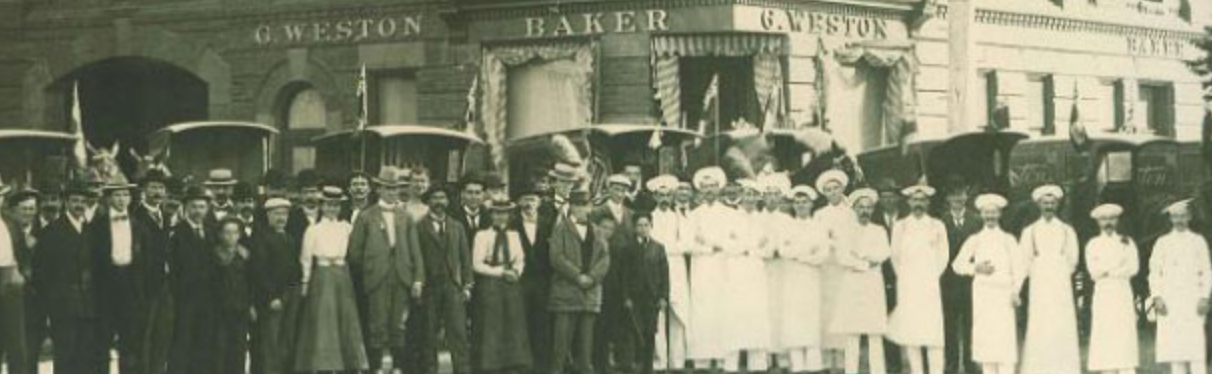
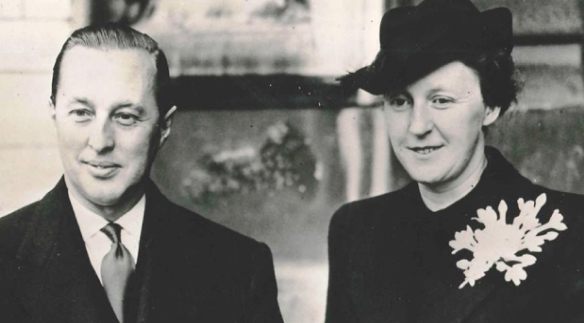
The predecessor to the Weston Family Foundation was established by Willard Garfield Weston and his wife, Reta Howard Weston, with a donation of shares from the family company, George Weston Limited.
Throughout its more than 60-year history, the Foundation has funded thousands of non-profit organizations and research institutions with the overarching goal of improving the well-being of Canadians.
Scroll down to see some of the highlights of our long history of giving.
1960s
The W. Garfield Weston Foundation (now the Weston Family Foundation) began making donations in earnest, establishing long-lasting relationships with grantees ranging from the Salvation Army to the Royal Ontario Museum. A goal from the earliest days was to connect with charities and grantees from coast to coast.
1960
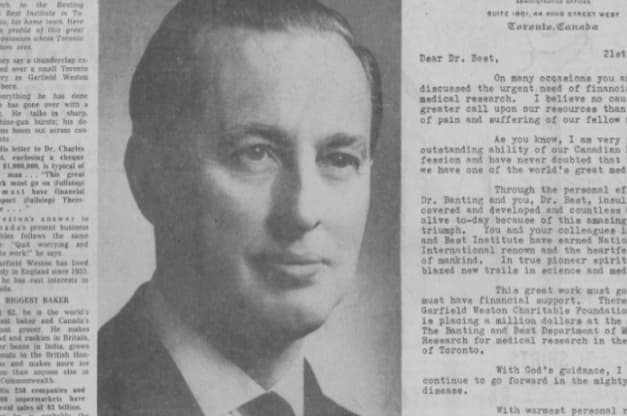
The largest early donation and first towards medical research was a $1 million grant to the Dr. Charles H. Best Foundation to support the Banting and Best Institute at the University of Toronto
1963
Grant to Dr. Evan Shute for early research into Vitamin E at the Shute Institute for Clinical and Laboratory Medicine in Ontario
1965
The first grants to the Salvation Army were awarded, starting one of the Foundation’s longest grantee relationships
1968
- First grant was given to the Royal Ontario Museum, an institution the Foundation continued to support for four decades
1970s
The second decade of active funding brought increased Foundation involvement from Garfield and Reta’s children as well as a new focus on grants that connected Canadians to the natural world. The Foundation also expanded upon its work with and patronage of museums, making a major donation to preserve a key pillar of Canadian culture.
1972
A donation was given to the Toronto Zoo for the Weston Station of Canadian Animals, marking the Foundation’s first-ever environment-related grant
1974
The earliest donations for neuroscience included support to the Multiple Sclerosis Society
1976
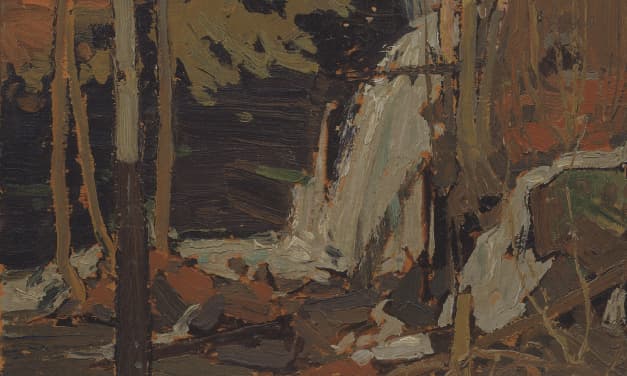
During a visit to the McMichael Canadian Collection in Kleinberg, Ontario, Garfield Weston saw “Woodland Waterfall,” a painting by Tom Thomson, which was on loan to the gallery. He was so taken by it that he immediately purchased the painting and donated it to the McMichael collection permanently, ensuring that Canadians could continue to enjoy the work of one of the 20th century’s most influential artists.
1980s
This decade brought rapid expansion of existing focus areas — including medical research and nature conservation — as well as the establishment of a new one. Founder Reta Weston had been a teacher and believed in the importance of education, and that spirit informed the Foundation work for years afterward. Today, the Foundation has given a total of $17 million in endowments to educational institutions across the country.
1980
The Foundation’s first educational endowment was awarded to University of King’s College in Halifax
1982
Grants awarded for pediatric research at the Children’s Hospital of Winnipeg and juvenile diabetes research at the Royal Victoria Hospital in Montreal are representative of the Foundation’s support for major medical centres and research facilities across the country.
1983
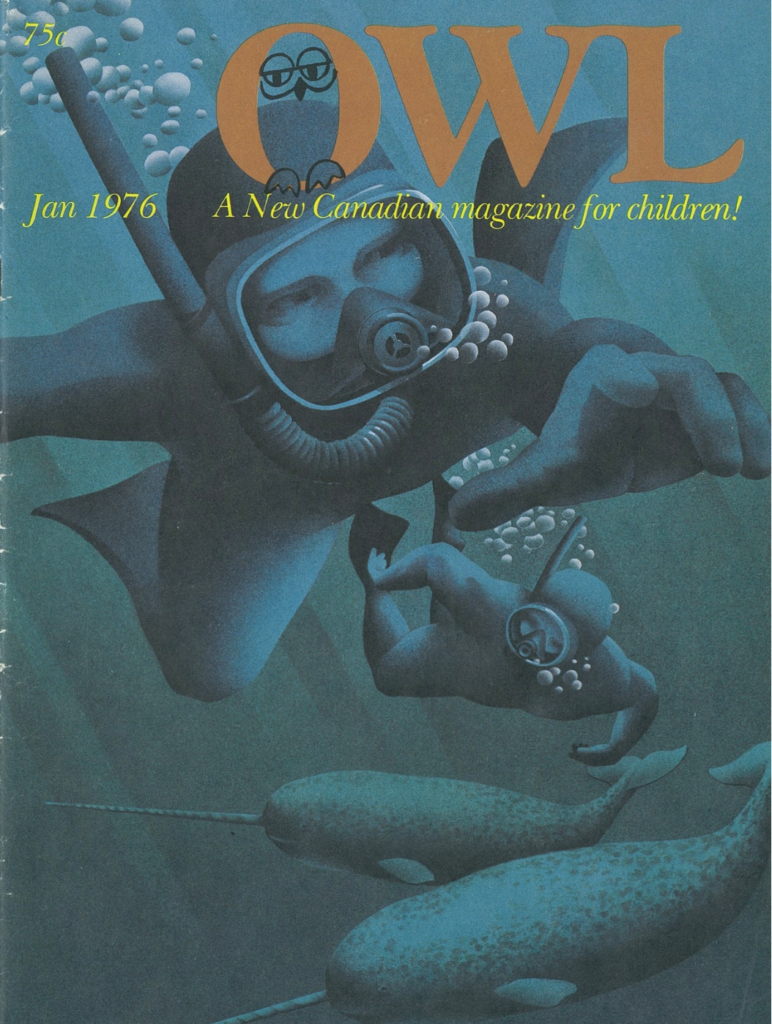
The Foundation supported the Young Naturalists Foundation enabling the group to pilot and produce OWL/TV, a nature program for children, based on the popular Canadian children’s magazine, OWL.
1984
- The Foundation funded the first Canadian Chair of Nutrition at McGill University in Montreal
1989
The Garfield Weston Chair of Landscape Horticulture was established at the Royal Botanical Gardens in Ontario
1990s
Under the guidance of Chair of the Board Miriam Burnett, one of Garfield and Reta’s nine children, the Foundation continued to branch out and expand its granting program. Burnett would remain in the role of Chair for nearly 30 years, steering the Foundation through an age that included a technological revolution but never wavering from its core values.
1990
Funding was awarded to the Vancouver Aquarium for the Arctic Canada Project in one of the first grants about Canada’s North
1997
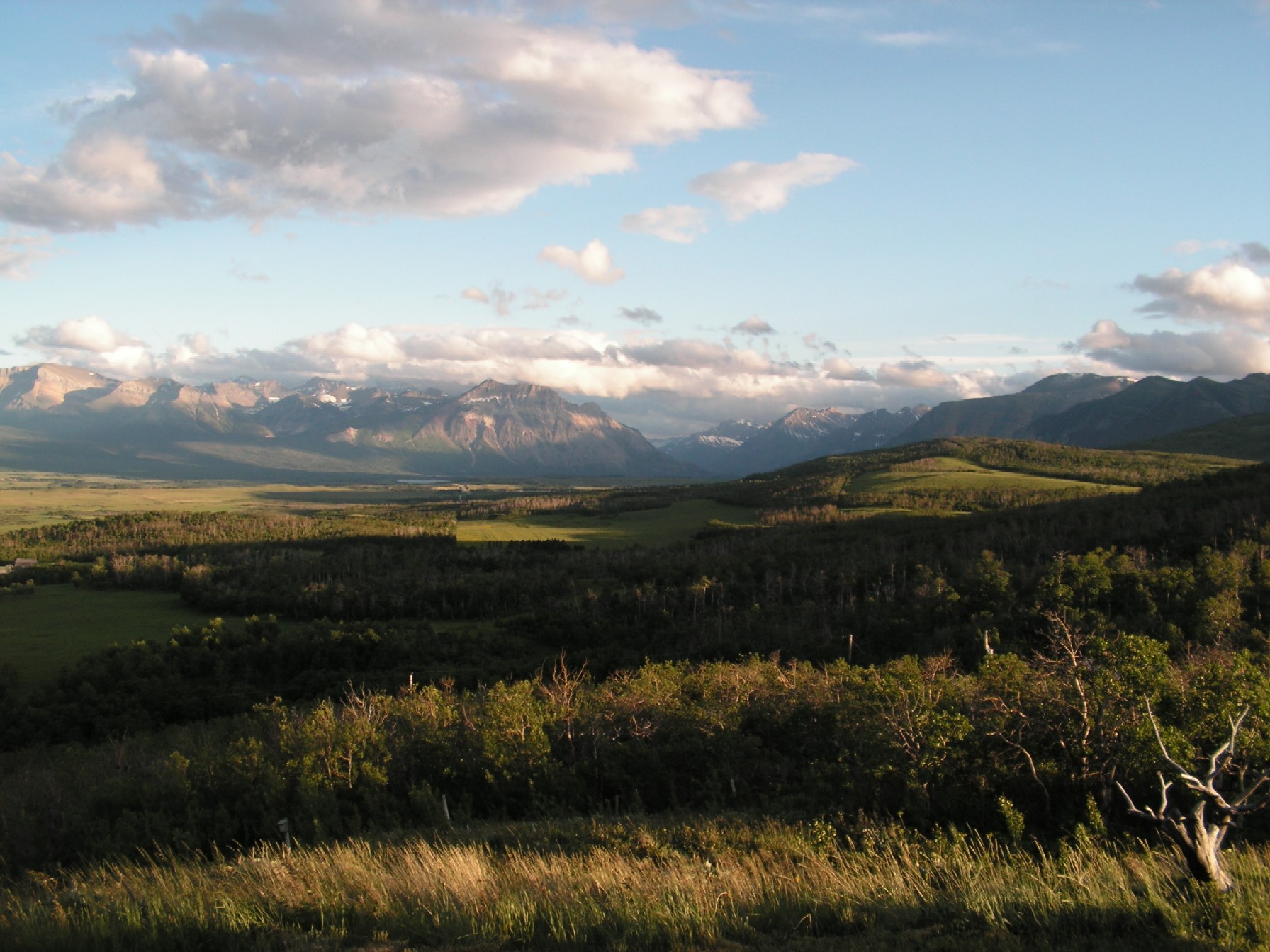
The Foundation and the Nature Conservancy of Canada embarked on an ambitious project to conserve critical habitat adjacent to Waterton Lakes National Park in southern Alberta. The Waterton Park Front Project resulted in one of the largest private conservation efforts in Canadian history.
1998
- First endowment given to the Loran Scholars Foundation. From 1998 to 2012, the Foundation funded nearly 200 W. Garfield Weston Loran Scholars
1999
Funding was given to Delta Waterfowl to expand the ALUS (Alternative Land Use Services) pilot program in Manitoba
2000s
The dawn of a new millennium had the Foundation thinking big — and looking up. Spurred in part by the coming of the International Polar Year in 2007–08, a new focus on Northern science created another pathway to giving. The Foundation has now committed more than $40 million to Northern natural science research.
2003
A $15 million grant was given to the Ontario Science Centre for a major renewal – it was the largest single donation the Foundation had given to date
2004
Funding given to the Royal Ontario Museum for the 90th Birthday Renaissance Campaign to renovate and improve the museum
2005
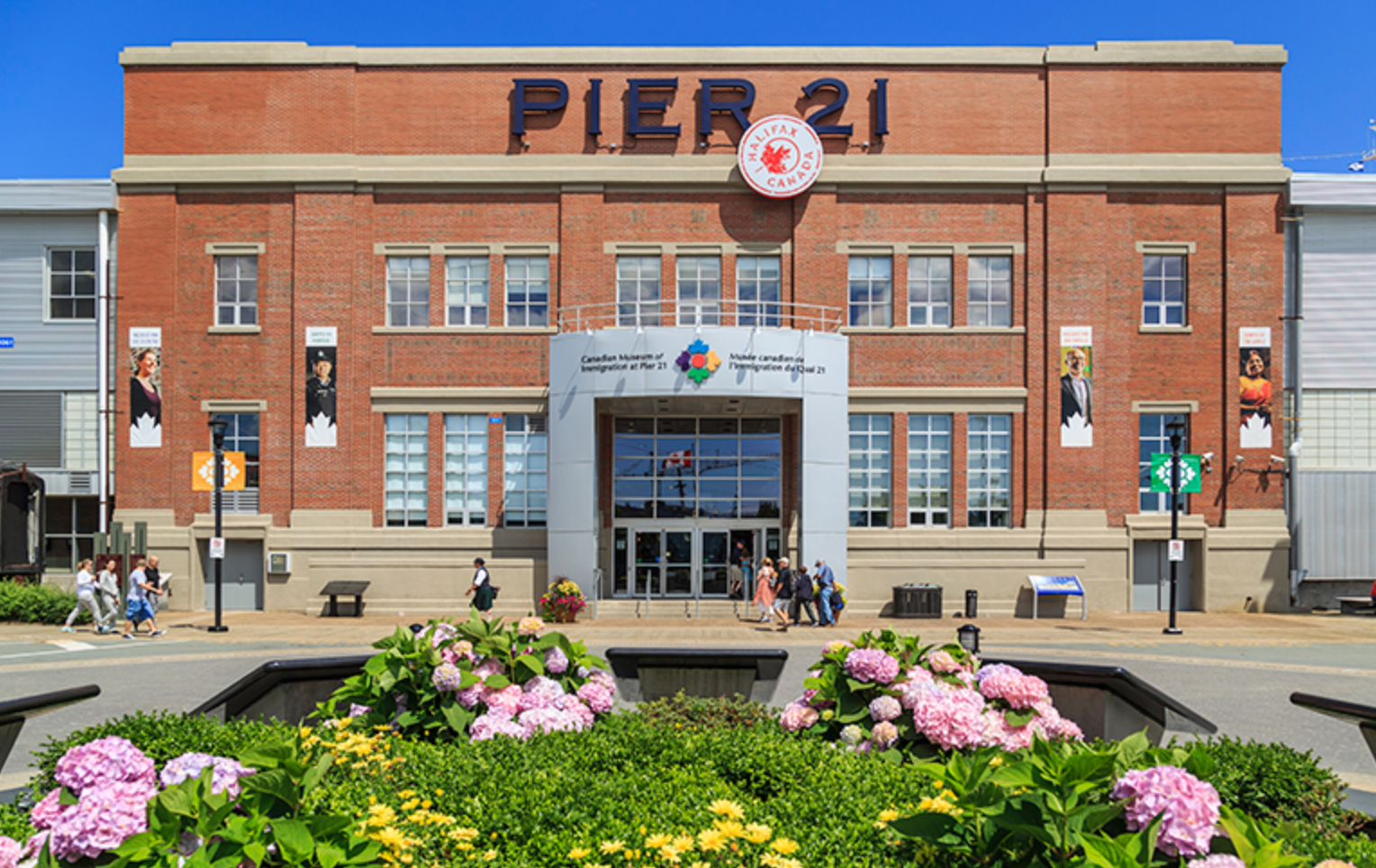
W. Galen Weston joined the campaign for the Canadian Museum of Immigration at Pier 21 in Halifax, becoming one of seven Nation Builders. Foundation funding helped ensure that the lives and times of those who passed through Pier 21 on their way to making Canada their home will never be forgotten.
2006
$1.2-million grant awarded to the Churchill Northern Studies Centre as a part of the Foundation’s new focus on research in the North
2007
The Weston Family Awards in Northern Research are launched. The Foundation has now funded more than 300 early-career researchers to study Canada’s North
2010s
With President and Chair W. Galen Weston at the helm, the Foundation began to adopt a “spark, shepherd, scale” philosophy towards grant-making to ensure the best ideas have the best chance of success. This strategy was evident in the Weston Brain Institute, launched in 2014.
2011
The Dalglish Family 22q Clinic (formerly Dalglish Family Hearts and Minds Clinic) launched to provide care for individuals with 22q11.2 Deletion Syndrome
2012
The Bauta Family Initiative on Canadian Seed Security was created, working with seed producers to advance agricultural biodiversity across Canada
2013
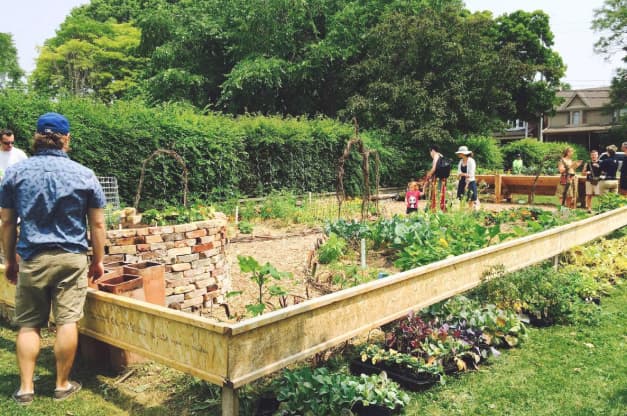
- The $5 million Weston Family Parks Challenge launched with Park People – 26 innovative parks projects were funded across Toronto
- The Rebanks Family Fellowship Program created at Royal Conservatory of Music to support the careers of exceptional young artists
2014

- The Weston Brain Institute launched with a $50-million donation towards medical research in neurodegenerative diseases of aging
- Mrs. B’s Kitchen in Toronto named in honour of Miriam Burnett following a donation to the Salvation Army Homestead
- $1 million in funding donated to the TransCanada Trail to connect the country from coast to coast
2016
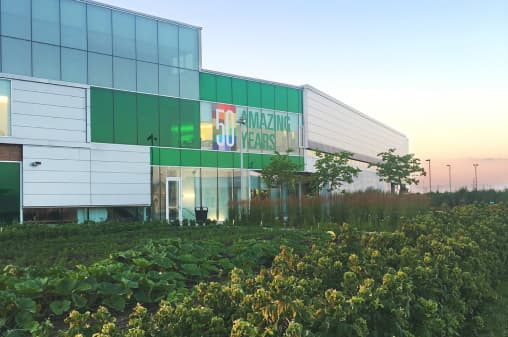
Centre at Durham College renamed W. Galen Weston Centre for Food after $1 million donation
2017
Launch of the Weston Family Microbiome Initiative as a research funding stream following a long-standing Foundation interest in nutrition
2018
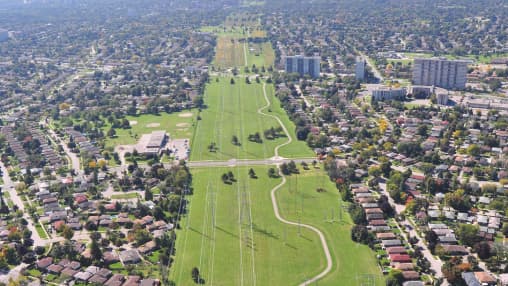
The Meadoway launched by Toronto and Region Conservation Authority to revitalize a 500-acre hydro corridor in Scarborough, supported by $25 million in pledged Foundation funding

The Weston Family Scholarship in the Skilled Trades Program launched at five colleges across Canada
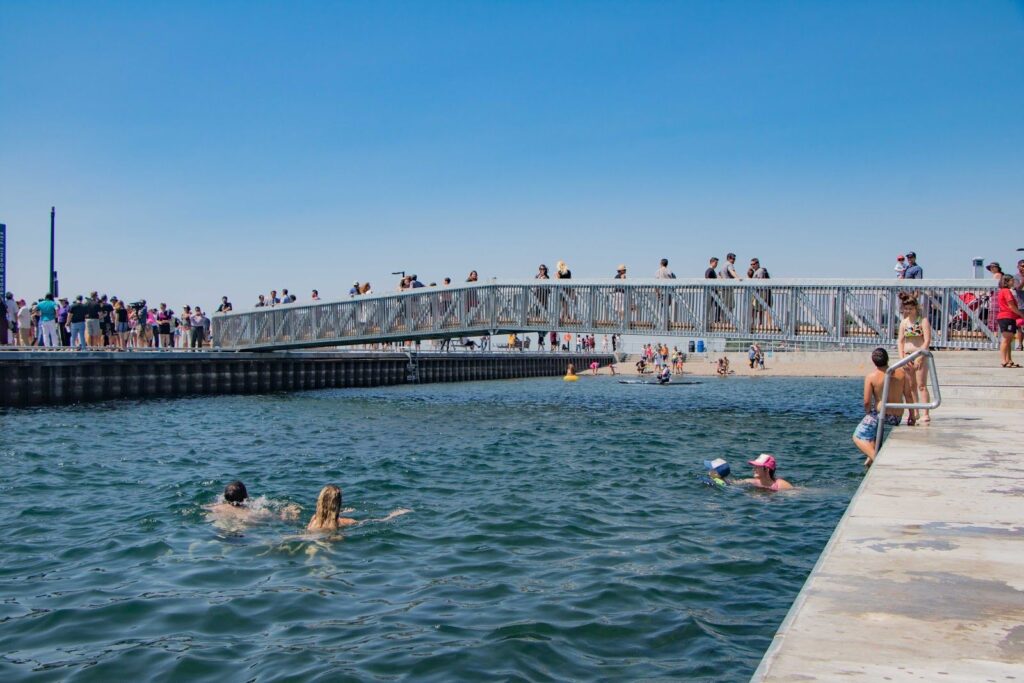
Launch of the Great Lakes Challenge with Swim Drink Fish Canada to help improve and restore Great Lakes watersheds, water quality, and bring communities together
2020s
As the result of a two-year strategic review spearheaded by President Galen G. Weston, the Foundation narrowed its focus to two key areas — Healthy Aging and Healthy Ecosystems — and changed its name to the Weston Family Foundation to reflect the three generations of family that have led the Foundation for six decades.
2020
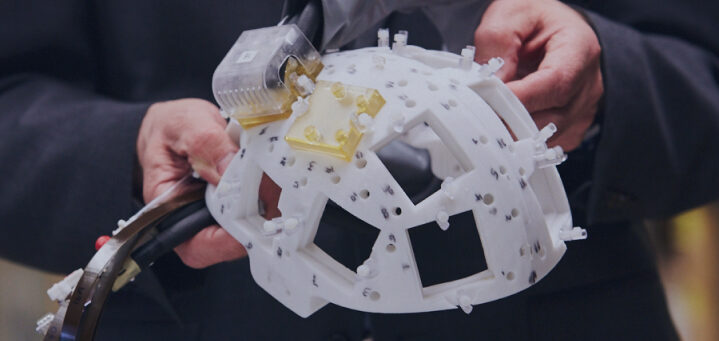
Weston Family Focused Ultrasound Initiative launched at Sunnybrook, with a $16.7 million grant to revolutionize the use of focused ultrasound technology

The Weston Family Prairie Grasslands Initiative was launched with nearly $25 million in funding awarded to five organizations to protect and restore this essential ecosystem
2021

The Foundation expanded its focus to include prevention of neurodegenerative diseases of aging with Brain Health: Lifestyle Approaches and Microbiome Contributions research funding program.
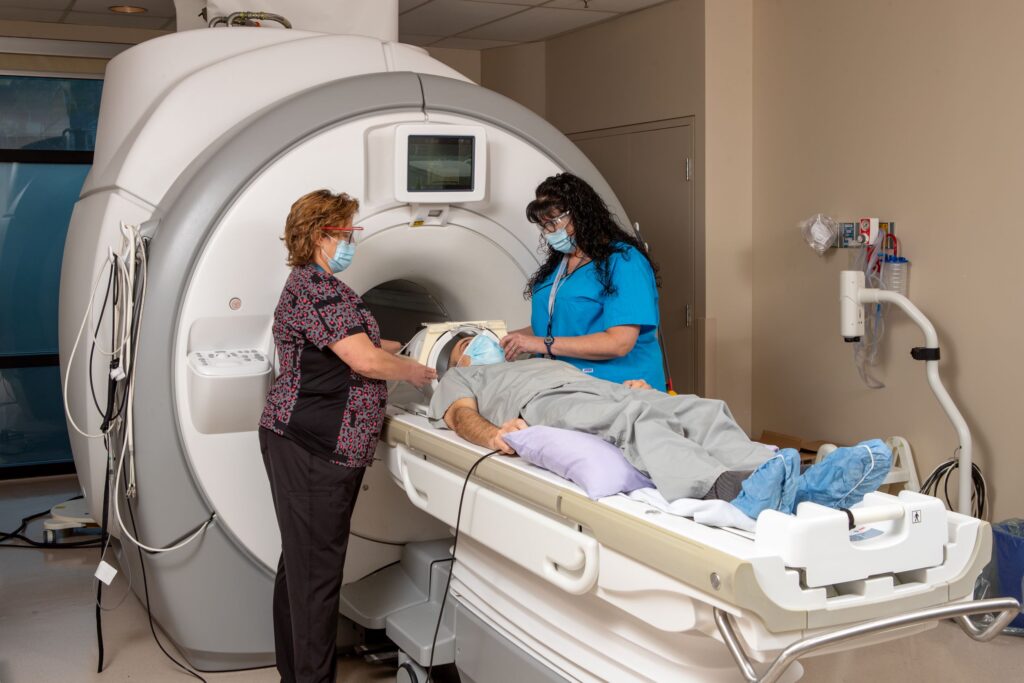
$12 million in funding given to the Canadian Longitudinal Study on Aging (CLSA) for the Healthy Brains, Healthy Aging Initiative to give researchers new tools to advance healthy aging science
2022
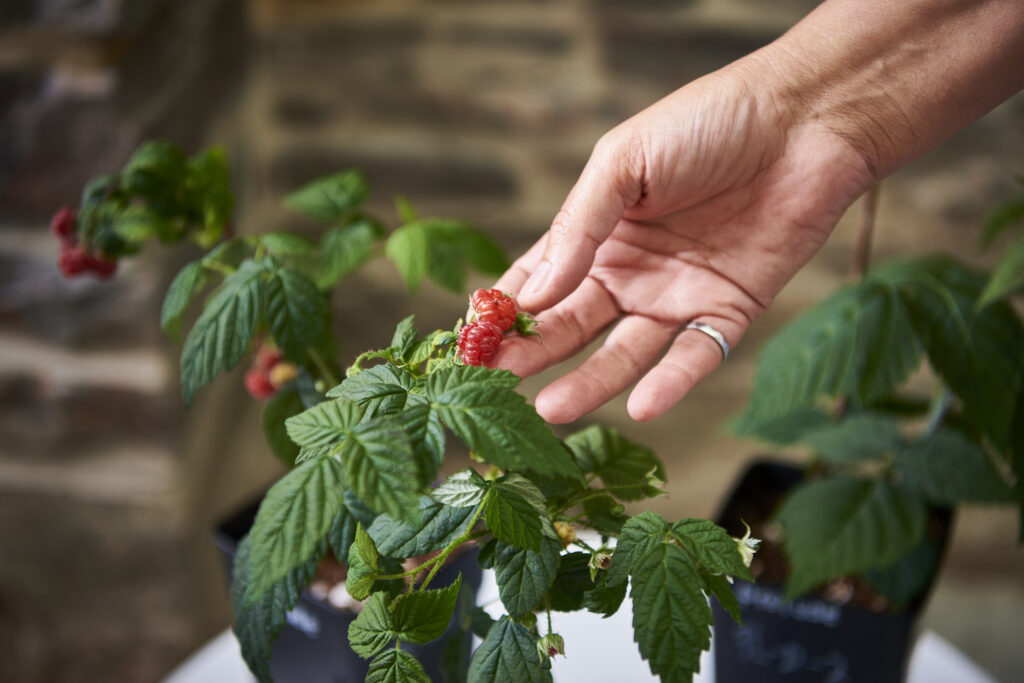
The pandemic exposed the many vulnerabilities of Canada’s import reliant food system, leading to the creation of the Homegrown Innovation Challenge. The Challenge is a $33 million competition to generate solutions that enable domestic food producers to grow out-of-season berries, sustainably, competitively, and at scale. Learn more about the Challenge and the four finalist Scaling teams: Meet the Grantees – Homegrown Innovation Challenge
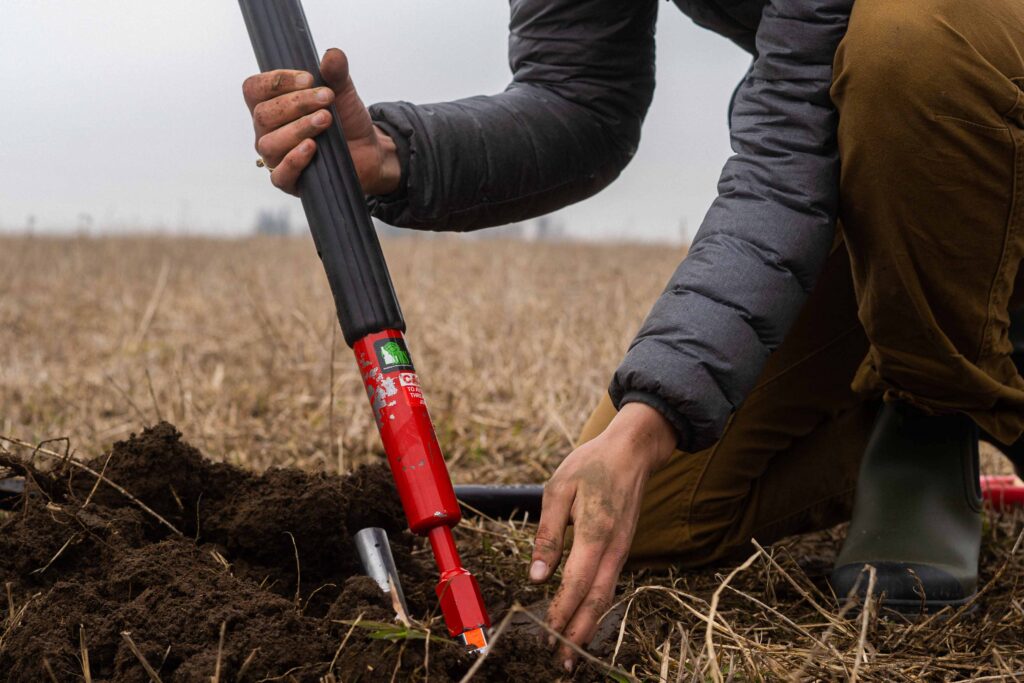
The Weston Family Soil Health Initiative was launched as a five-year, $10 million program to restore biodiversity and strengthen climate resilience by promoting the widespread adoption of ecological best management practices (BMPs) across Canada’s agricultural landscapes.
2023

The Brain Health: Sleep program was launched through the Foundation’s Weston Brain Institute, to support innovative research on how sleep impacts brain health. Five researchers each received more than $1 million to develop sleep-based strategies aimed at improving brain outcomes related to neurodegenerative diseases of aging.
2024
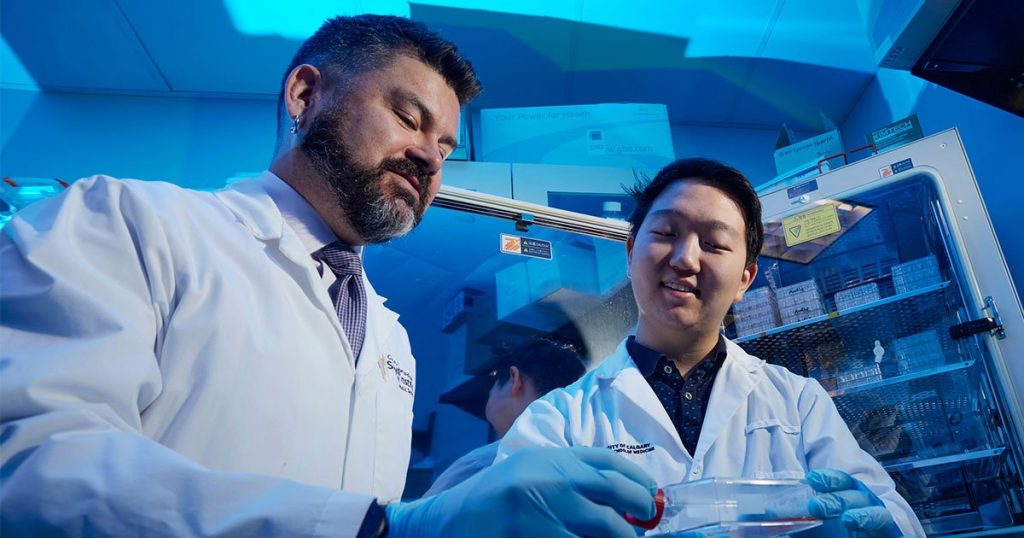
The Weston Family Foundation, through its Microbiome Initiative, funded the Canadian National Organoid Network (CNON) — a national network advancing accessibility, standardization, and the development of well-characterized organoid models, facilitating cutting-edge research on human samples.
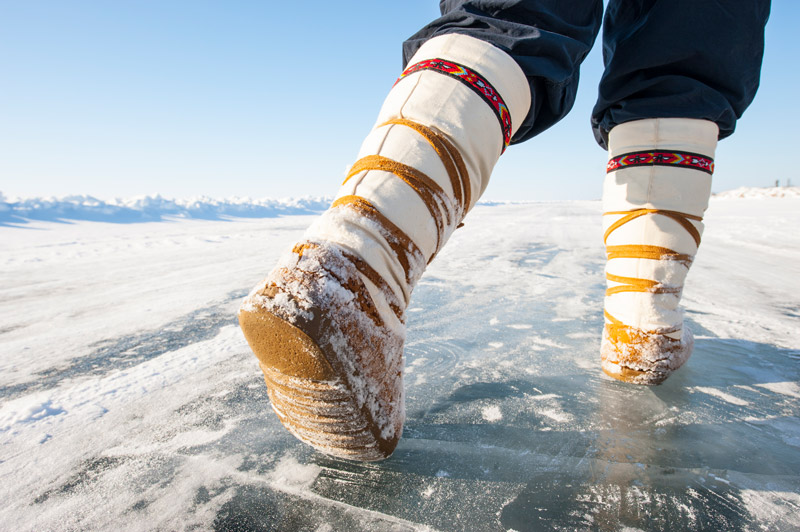
Recognizing that northern Canada is facing growing challenges due to climate change, the Foundation strengthened its investment in northern ecosystems through approximately $25 million in funding across key initiatives that support Indigenous-led stewardship, biodiversity protection, and research to advance understanding of northern Canada. Programs include – Northern Conservation Program and Northern Biodiversity Research Program.
2025

The Foundation released its first Year in Review video, highlighting over $66 million invested in 2024 to advance healthy aging and healthy ecosystems through bold ideas, collaboration, and lasting impact.
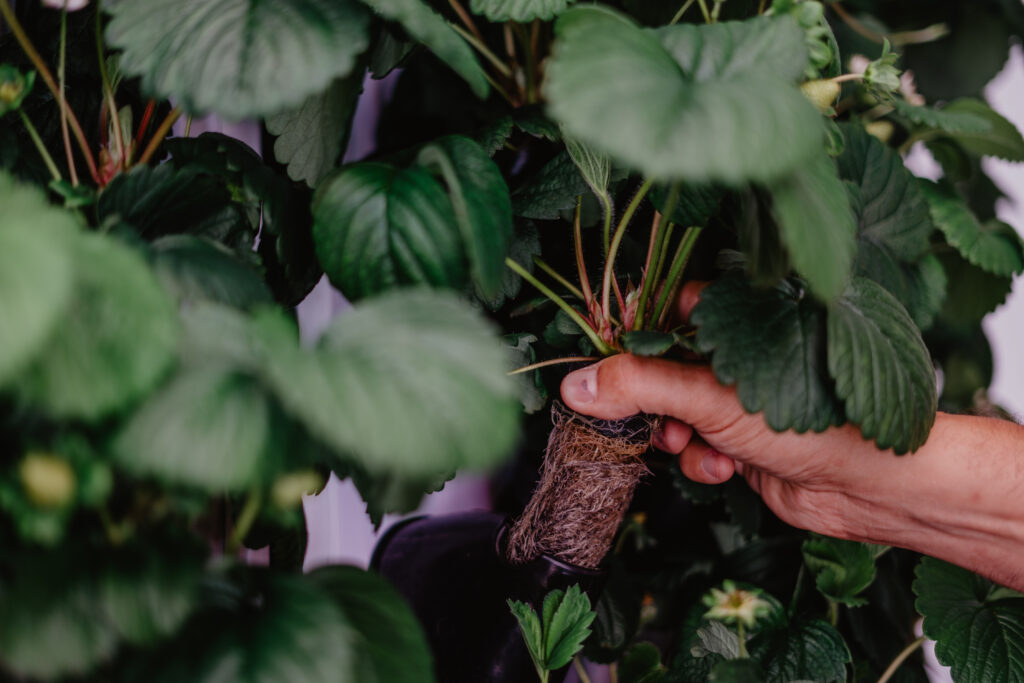
The Foundation has entered the Scaling Phase of its $33-million Homegrown Innovation Challenge, providing up to $5 million each to four Canadian teams. This phase supports highly ambitious approaches to year-round, sustainable, and cost-competitive berry production systems in Canada.
Learn more about the four teams here: Meet the Grantees – Homegrown Innovation Challenge

The Foundation announced $20 million in funding to support two pioneering projects, each receiving a $10 million grant. The funding is supporting highly ambitious scientific endeavors under the Foundation’s Healthy Aging Strategy, comprised of the Weston Brain Institute and the Weston Family Microbiome Initiative.