TORONTO, March 29, 2026 – The Weston Family Foundation, through the Weston Brain Institute, aims to catalyze and scale science-based approaches to significantly improve the health and well-being of Canadians. Through its core Spark-phase programs, the Foundation supports novel, high-risk, high-reward solutions for neurodegenerative diseases of aging (NDAs) that exhibit a high potential to enhance patient outcomes and quality of life in a real-world context. However, given the long development timeline of medical innovations for NDAs, additional investments are needed to scale successful projects emerging from these seed-funding programs towards clinical impact.
The Follow-on Funding (FOF) program was created to provide additional funding to current and former grantees to help advance successful early-stage innovations that are ready for the next phase of development, bringing them closer to real-world application.
In 2025, three projects were awarded under the FOF program, each receiving approximately $2.5 million:
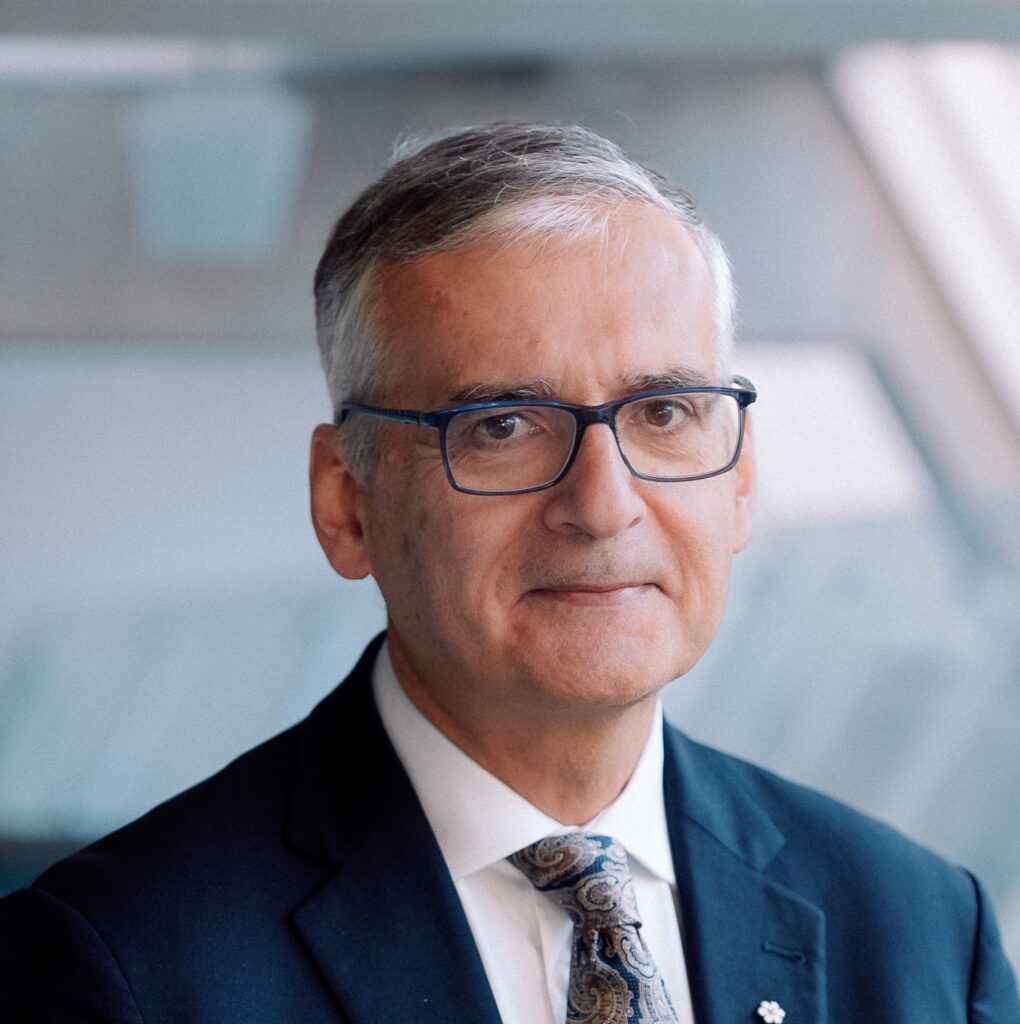
Andres Lozano, MD, PhD, FRCSC
University Health Network
Project name: Steps towards establishing low intensity transcranial ultrasound stimulation (TUS) of deep brain targets as a new therapy in Parkinson’s disease
Today, some patients with Parkinson’s disease (PD) may receive deep brain stimulation (DBS) to treat major motor symptoms. While DBS remains the gold standard for PD surgery, its invasiveness, complexity, and cost limit its accessibility and widespread deployment. Transcranial focused ultrasound (TUS) offers a potential non‑surgical alternative to DBS. Previous funding from the Weston Family Foundation enabled Dr. Lozano to test the application of TUS, demonstrating for the first time that low‑intensity TUS can directly modulate the activity of deep brain structures in patients with PD.
With support from the Follow‑on Funding program, Dr. Lozano and his team will determine the safe and optimal dose of TUS that can modulate the activity of deep brain regions that are primary targets for Parkinson’s disease, and evaluate its effectiveness in alleviating major motor symptoms, including tremor, rigidity, and bradykinesia. If successful, TUS could offer the therapeutic benefits of DBS through a non‑surgical, non‑invasive approach, with the potential to be transformative for patients living with PD.
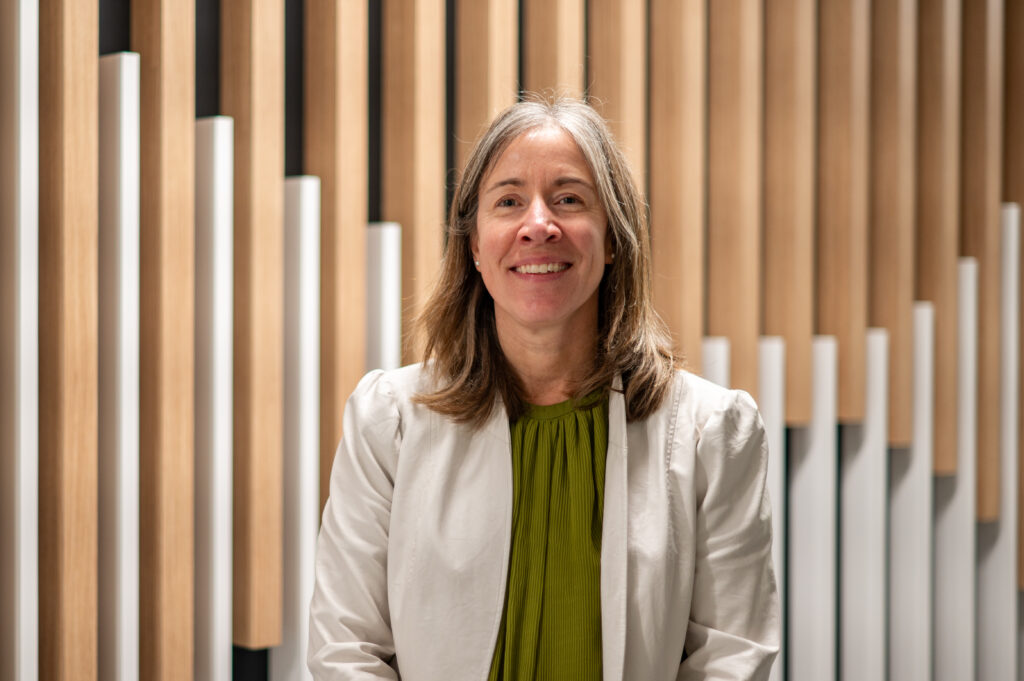
Elizabeth Finger, MD, FRCPC, FAAN
Lawson Research Institute
Project name: A Randomized Double-Blind Placebo-Controlled Trial of Oxytocin and Goal Attainment Scaling for Apathy in FTD: Feasibility Pilot Study
Apathy is one of the most common symptoms of frontotemporal dementia (FTD), affecting approximately 80% of patients and consistently rated as highly burdensome by caregivers. Through a previous Weston Family Foundation grant, Dr. Finger conducted FOXY (Lancet Neurology), the largest positive clinical trial in FTD to date, which established the safe and optimal dose of intranasal oxytocin associated with improvements in apathy in FTD patients as reported by both care partners and clinicians. However, additional studies are needed to generate further supporting evidence to facilitate future uptake of this intervention into clinical practice.
With support from the Follow‑on Funding program, Dr. Finger and her team will evaluate the feasibility of a pragmatic trial design, intended to reduce geographic and other logistical barriers to participation, to inform a future Phase 3 trial assessing the real‑world effectiveness of oxytocin for apathy in FTD. If successful, this work will lay the foundation for the first effective pharmacologic treatment for apathy in FTD and, if confirmed in a future Phase 3 trial, has the potential to change clinical practice for this debilitating disease.
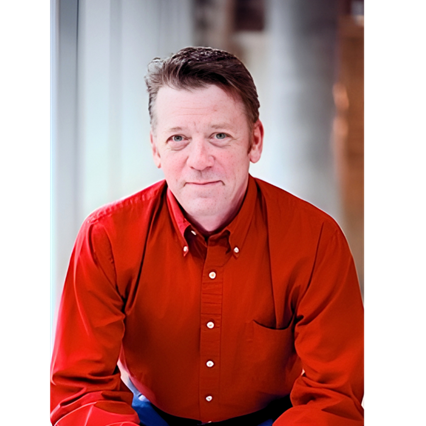
Paul Fraser, PhD
University of Toronto
Project name: IND-Enabling Studies for a SUMO-Based Therapeutic
Therapeutic strategies for Alzheimer’s disease (AD) have largely focused on enhancing amyloid clearance and reducing the production and/or aggregation of beta-amyloid. However, the severity of clinical dementia in AD patients is strongly correlated with synaptic changes, suggesting that therapies aimed at limiting synaptic loss may represent a promising approach to prevent cognitive decline. Small ubiquitin modifier (SUMO) proteins are an underexplored therapeutic target that could address this need given their role in synaptic biology.
Through a previous Weston Family Foundation grant, Dr. Fraser and his team developed a novel SUMO-based therapeutic, SBT02, which was shown to not only prevent, but also reverse, memory loss and impaired brain function in mouse models of AD. However, to advance SBT02 toward testing in patients, additional evidence is required to support regulatory approval by national health agencies.
For his current Follow-on Funding project, Dr. Fraser will conduct a comprehensive toxicological assessment to establish the safety profile of SBT02 and identify its underlying mechanism of action. If successful, Dr. Fraser’s work will provide information needed to progress SBT02 toward clinical trials, with the ultimate goal of developing a safe and effective treatment that preserves and potentially restores cognitive function in individuals with AD.
Related News

Weston Family Foundation funds translational research sparking new innovations for neurodegenerative diseases of aging.
Weston Family Foundation investing $20 million to advance health innovation in Canada.
Weston Family Foundation investing $20 million to advance health innovation in Canada.