Weston Family Foundation funds translational research sparking new innovations for neurodegenerative diseases of aging.

Toronto, ON – January 20, 2026 

The Rapid Response program provides seed funding to identify and validate novel, high-risk, high-reward solutions for neurodegenerative diseases of aging (NDAs) that exhibit a high-potential to enhance patient outcomes and quality of life in a real-world context.

As we kick off the new Rapid Response 2026 funding cycle during Alzheimer’s Awareness Month, we want to recognize our Rapid Response 2025 grantee recipients whose significant research have contributed toward developing strategies to delay the onset or slow the progression of NDAs.

 It is our pleasure to announce the seven Rapid Response 2025 grantees:


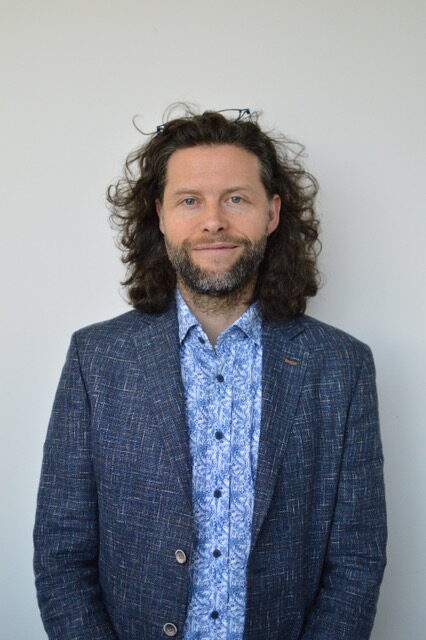
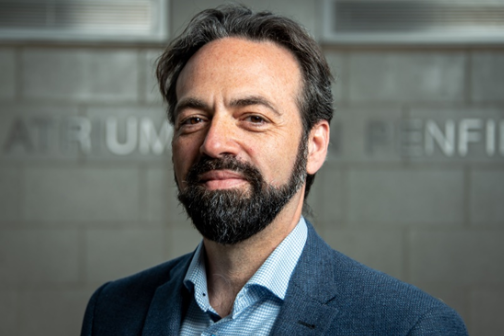
Etienne de Villers-Sidani, MD FRCP(C) 

McGill University 

Project name: Development and validation of a digital biomarker-based tool for the early screening and monitoring of Alzheimer’s Disease 

Monitoring Alzheimer’s disease (AD) progression remains difficult because current assessments rely on lengthy, subjective, in-clinic interviews and cognitive tests. These tools are time-consuming, costly, and poorly suited for frequent monitoring or large-scale studies. Dr. de Villers-Sidani’s project addresses this challenge by developing and validating ETNA™-AD, a mobile, camera-based eye-tracking tool that provides objective estimates of cognitive function and disease severity. Running on an iPad Pro, ETNA™-AD guides patients through brief oculomotor tasks and uses machine-learning models to extract disease-relevant eye-movement signatures. Preliminary data in AD, as well as prior work in multiple sclerosis and Parkinson’s disease, show that these markers reliably reflect clinical scales such as CDR and MMSE. If successful, ETNA™-AD will deliver a fast, low-cost, and scalable method for tracking neurodegenerative disease progression. Its ability to generate standardized, quantitative endpoints remotely could transform clinical care, enable more inclusive monitoring, and accelerate therapeutic development for Alzheimer’s and related age-associated neurodegenerative disorders. 

Carmela Tartaglia, MD, FRCPC 

University Health Network 

Project name: Bringing precision medicine to neurodegenerative disease 

Patients with neurodegenerative diseases exhibit substantial molecular heterogeneity driven by distinct and often overlapping patterns of protein misfolding, aggregation, and spread. Co-occurring proteinopathies are the rule rather than the exception limiting the traditional one-size-fits-all therapeutic approaches. Although many treatments have targeted single pathologies, growing evidence indicates that this approach is often insufficient for meaningful disease modification. The field is therefore shifting toward precision medicine that aligns treatment with an individual’s molecular profile. Dr. Tartaglia proposes a precision medicine strategy using Seed Amplification Assays (SAAs), a sensitive and scalable method for detecting misfolded protein seeds from accessible biospecimens. Using SAAs as a high-throughput screen enables us to identify each patient’s unique combination of proteinopathies and use this molecular ‘fingerprint’ to guide patient-tailored therapeutic strategies. Such an approach would create a path toward a new framework for personalized drug discovery and therapeutic matching in neurodegenerative diseases. Instead of designing therapies around a singular, presumed driver of disease, treatment could be directed toward the actual co-pathologies identified in each individual. In turn, this may allow for simultaneous targeting of multiple proteinopathies, either through combination therapies, multi-target agents, or biologics designed to address specific misfolded species revealed by SAAs. 

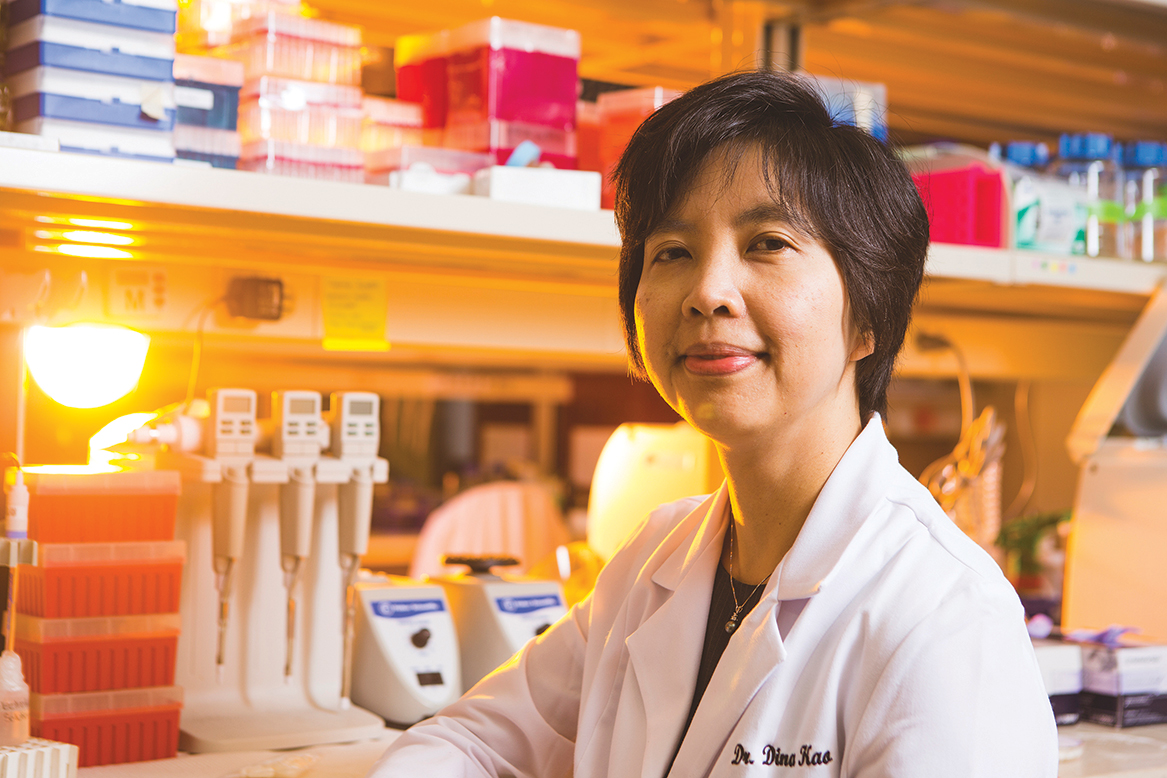
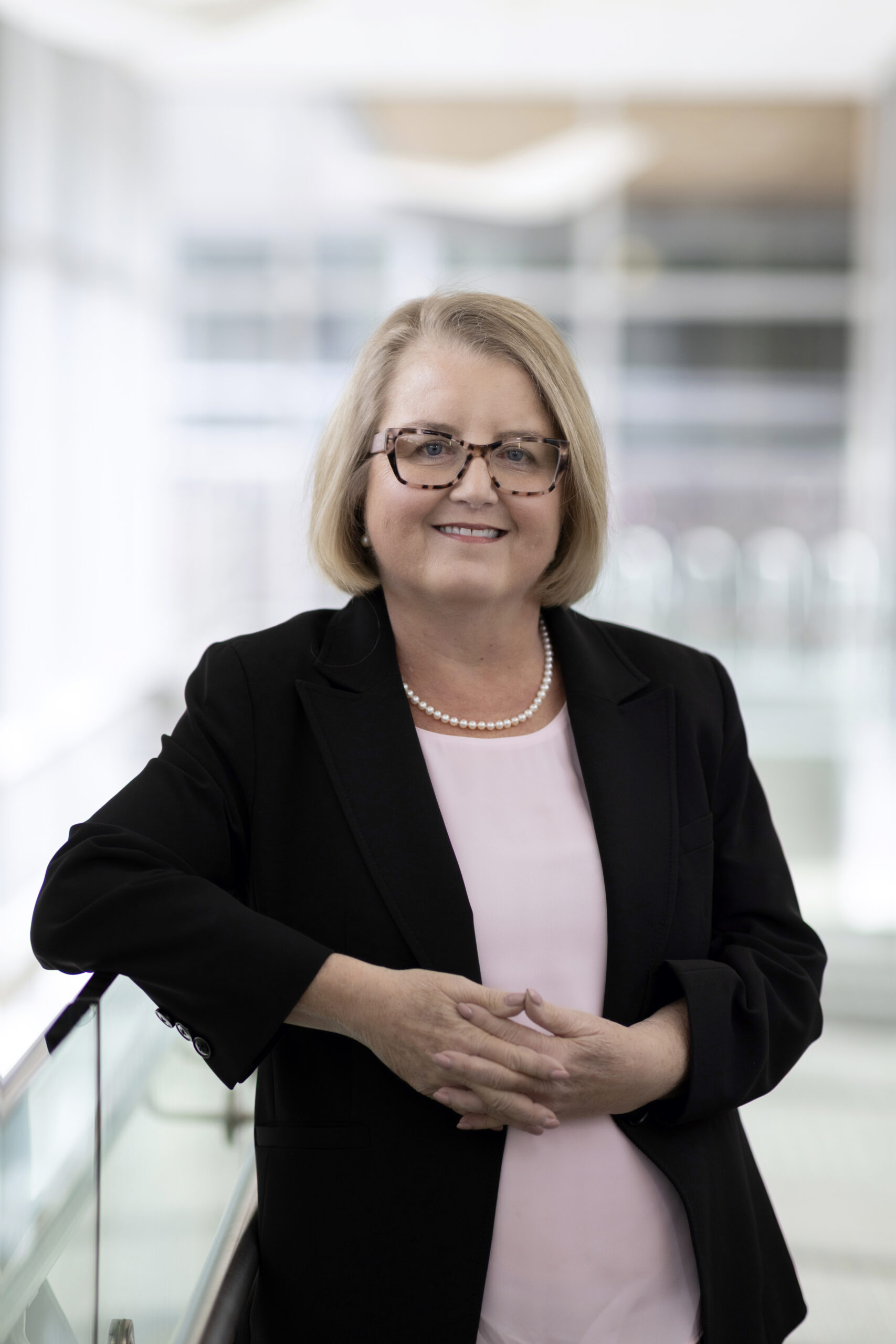
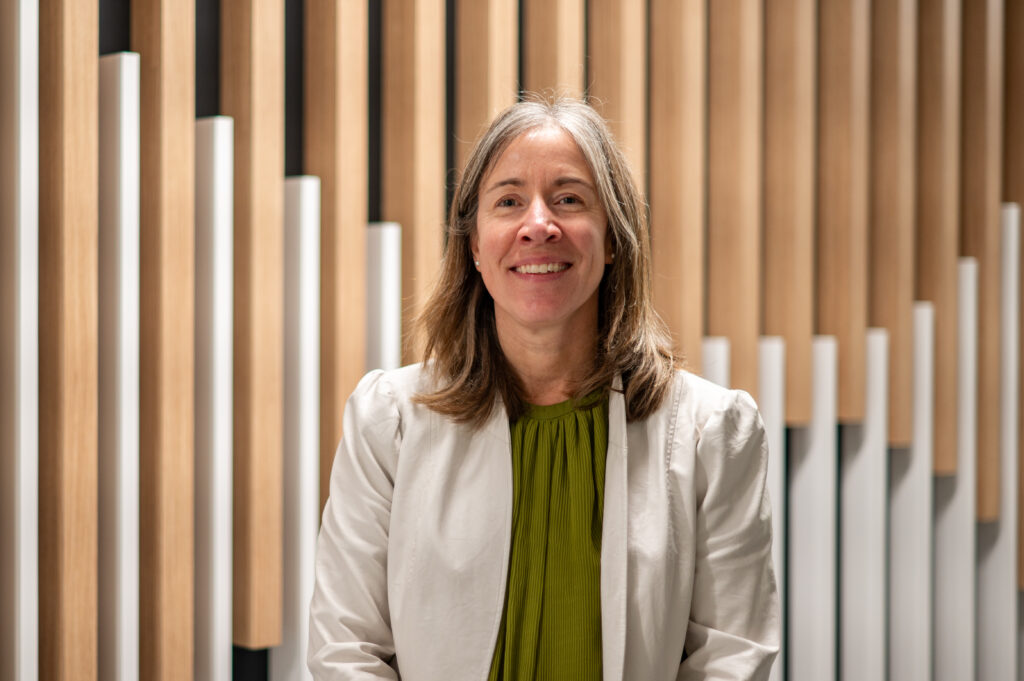
Cheryl Wellington, PhD 

University of British Columbia 

Project name: Generation of Canadian reference intervals for plasma phosphorylated tau-217 

Dr. Wellington’s project aims to understand how the levels of an important blood biomarker called phosphorylated tau 217 (p-tau-217) could be the most promising diagnostic biomarker for Alzheimer’s disease (AD). In order to determine what an abnormal test result looks like, one first needs to understand what the normal levels are in the Canadian population. Dr. Wellington’s project will leverage a representative valid sample of Canadians to determine what normal levels of p-tau-217 are in the Canadian population. Her and her team will measure p-tau-217 levels in approximately 2500 samples, providing an unprecedented base of how p-tau-217 levels change during aging. P-tau-217 is the best plasma test to confirm a diagnosis of Alzheimer’s Disease and our study will help to launch p-tau-217 testing in Canada. In addition to clinical application in confirming an AD diagnosis and establishing eligibility to receive Lecanemab, our study will also serve as a foundation of knowledge for many more research studies on whether p-tau-217 can be used to determine how quickly a patient will progress, whether common comorbidities of aging such as cardiovascular disease affect p-tau-217 levels, and many other questions.  

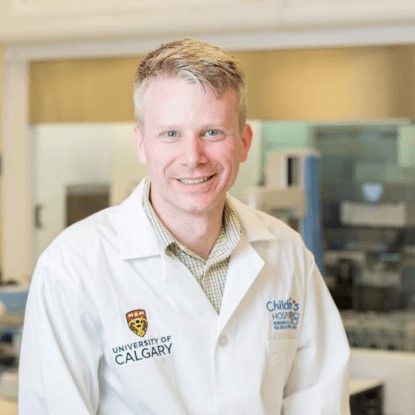
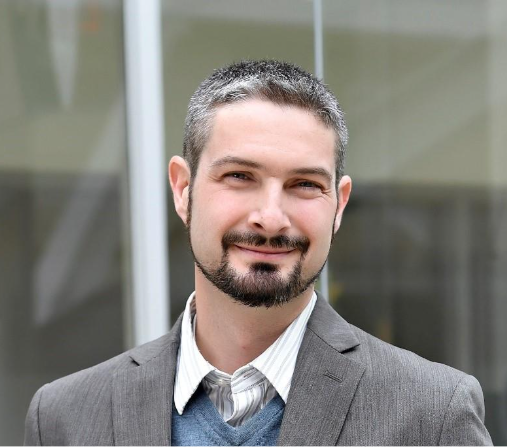
Stuart Fogel, PhD 

University of Ottawa 

Project name: Targeted enhancement of sleep to restore sleep-dependent memory consolidation in prodromal dementia  

Changes in sleep are the earliest indicator of age-related cognitive decline and have been identified as one of the best potential modifiable and yet-to-be-exploited targets for prevention of dementia. Dr. Fogel’s previous work has identified potential, yet unexplored, therapeutic targets during sleep. He and his team will enhance sleep by targeting these markers using natural health products, with the aim of restoring the boost that sleep affords to memory processing. If successful, this research will provide proof-of-concept for the use of therapeutics to restore the benefit of sleep for memory and cognition at the earliest stages of cognitive decline. This will lead to the development of targeted interventions during sleep meant to alter the trajectory of age-related cognitive decline that occur in neurodegenerative diseases of aging. 

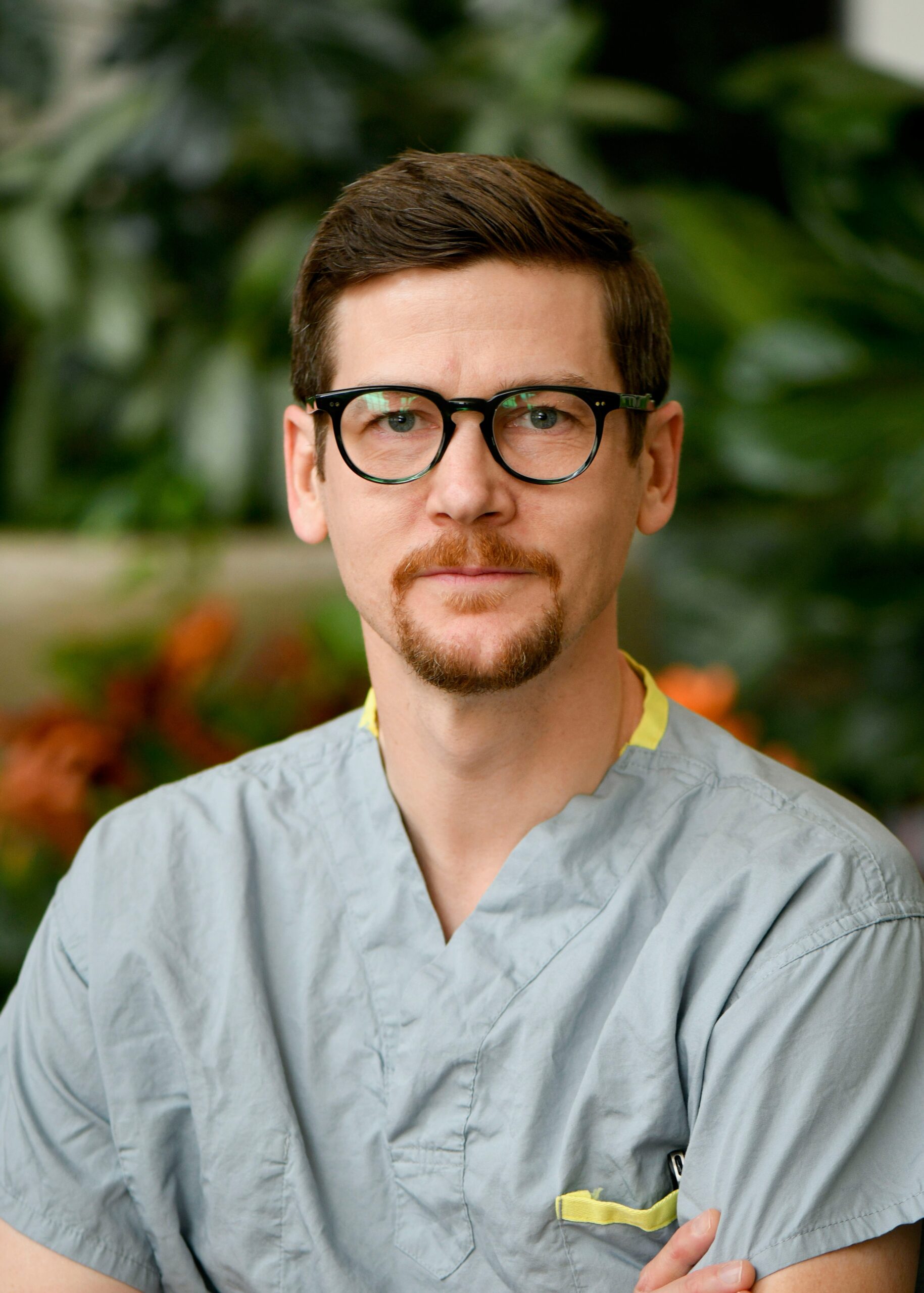
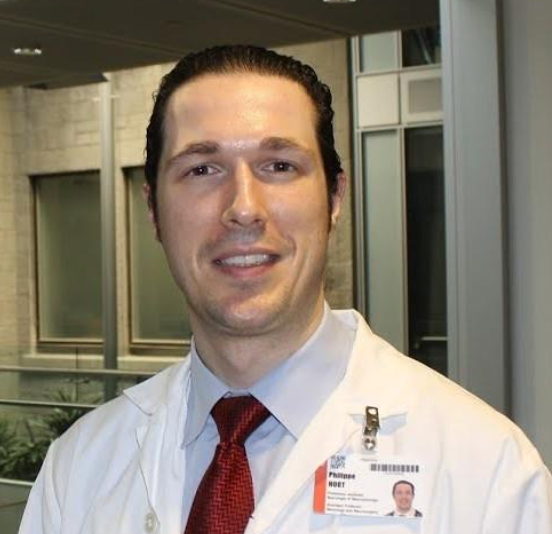
Philippe Huot, MD, PhD

McGill University

Project name: Characterization of novel GlyT1 inhibitors for the treatment of Parkinson’s disease 

Parkinson’s disease is characterized by motor symptoms such as tremor, stiffness and slowness of movement. Levodopa is the most effective treatment for Parkinson’s disease, but its use is often complicated by the occurrence of uncontrollable abnormal involuntary movements, referred to as dyskinesia, as well as a shorter duration of symptom relief, referred to as fluctuations. In experimental models of Parkinson’s disease, we have discovered that increasing the levels of the amino acid glycine in the brain diminishes the severity of dyskinesia. However, most glycine-enhancing drugs face hurdles that prevent their development for the treatment of Parkinson’s disease. In this project, Dr. Huot proposes to determine the effect of novel glycine enhancers on the severity of dyskinesia and motor symptoms, in an experimental model of Parkinson’s disease. He and his team will also determine what concentrations of the drug in the blood are associated with a reduction of dyskinesia and improvement of motor symptoms. Together, this data will inform what doses should be investigated in future clinical trials of patients with Parkinson’s disease. 

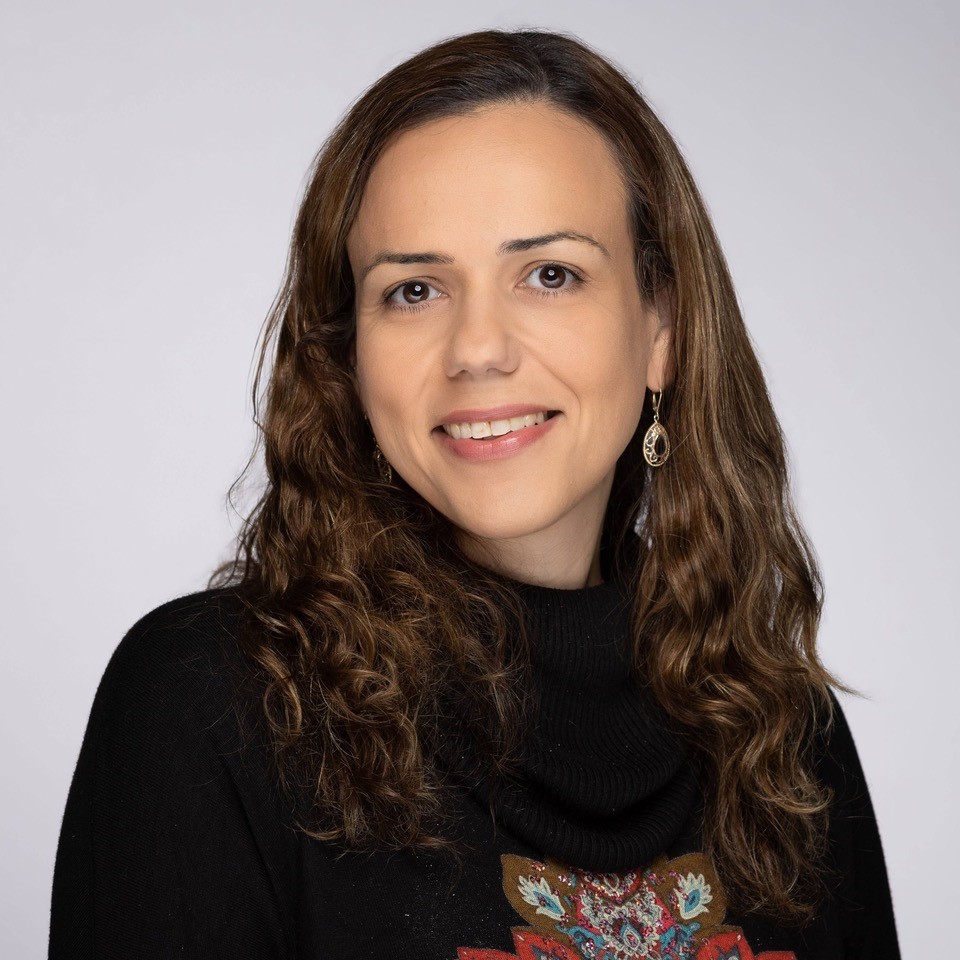
Amanpreet Badhwar, PhD 

Research Centre of the Institut universitaire de gériatrie de Montréal (CRIUGM) 

Project name: Translational Integration of Blood-Based Biomarkers and Virtual Reality Cognitive Testing for Enhanced Subtyping of Subjective Cognitive Decline 

As people age, many begin to notice subtle memory changes. When these concerns occur but standard memory tests still look “normal,” the condition is called Subjective Cognitive Decline (SCD). Although often overlooked in the clinic, SCD can be an early warning sign for future memory problems, including mild cognitive impairment or dementia. Unfortunately, today’s tools are not sensitive enough to identify who is truly at risk. Dr. Badhwar’s project aims to change that by developing a more accurate way to assess early cognitive decline. Her and her team will combine two innovative approaches: a virtual-reality (VR) memory test that can detect subtle changes in how people remember and organize information; and a blood test measuring a panel of 30 proteins linked in previous studies to early changes in the brain before overt symptoms of dementia appear. Dr. Badhwar and her team will then use machine learning to see which combination of VR performance and blood proteins best predicts who has more significant memory concerns and who will be most likely to progress to mild cognitive impairment in years to come. By developing a sensitive and scalable assessment tool, this project aims to improve early detection and help identify individuals who may benefit most from early intervention or monitoring. 

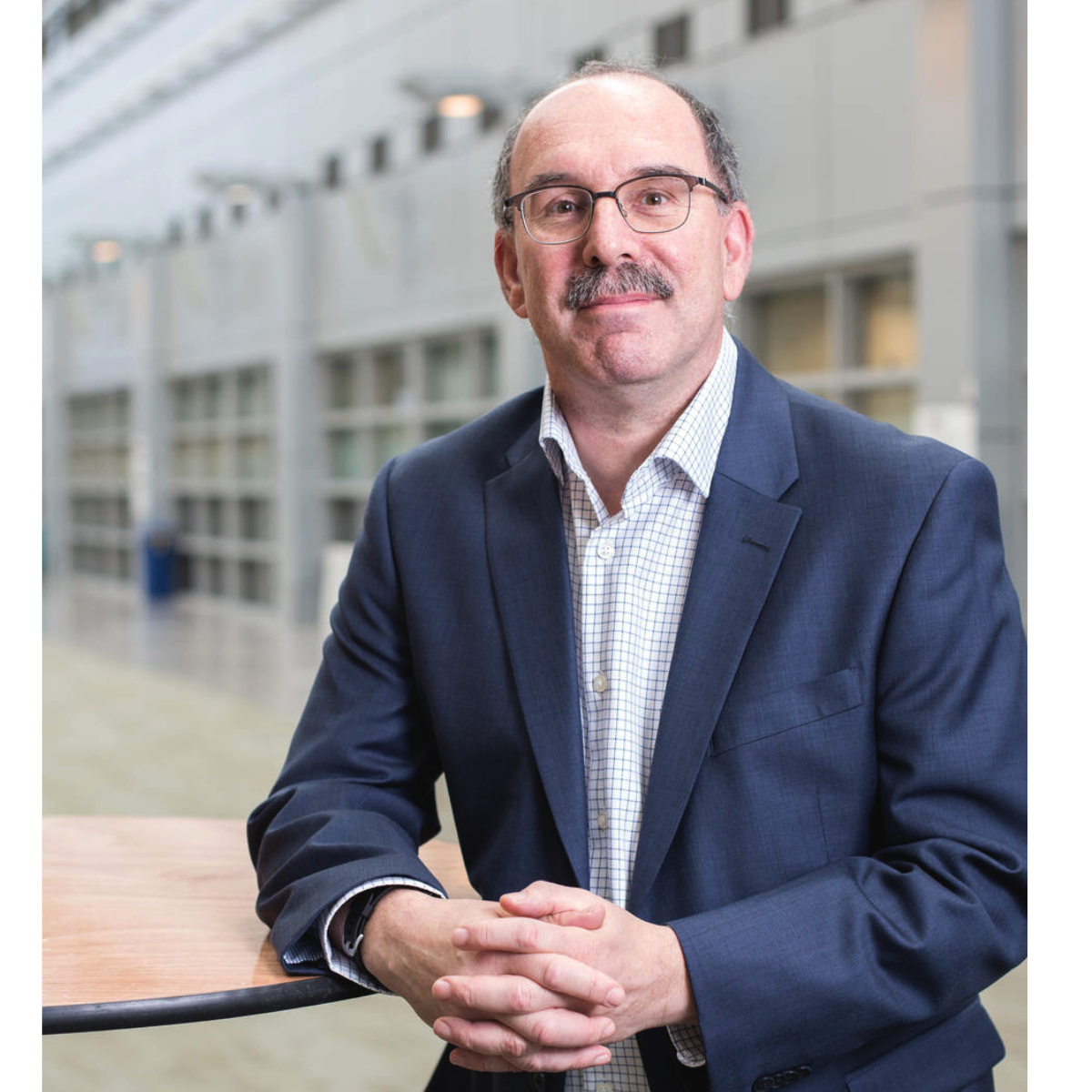
Peter St George-Hyslop, MD 

University of Toronto 

Project nameAntisense oligonucleotide-mediated therapeutic knockdown of the ABI3 Alzheimer risk gene 

Alzheimer’s disease (AD) remains a major cause of dementia worldwide, driven by accumulation of misfolded proteins and chronic neuroinflammation. As the pathology advances, resident immune cells of the brain, microglia, which mediate the clearance of toxic misfolded protein deposits, become dysfunctional. Existing anti-amyloid therapies provide only modest benefit, underscoring the need for novel approaches targeting other aspects of the disease such as microglial dysfunction. Dr. St George-Hyslop’s project targets ABI3, an AD-associated microglial protein implicated in immune cell functions. Genetic studies in AD mouse models show that loss of ABI3 markedly enhances microglial phagocytosis of amyloid and attenuates disease progression without detectable adverse effects. Building on these findings, the project will use antisense oligonucleotides (ASOs) as a clinically validated gene-modulating approach to selectively reduce ABI3 expression in microglia. The work will define the safety profile, optimal dosing parameters, and therapeutic window of ABI3-ASO treatment in vivo before and after onset of pathology. If successful, this program will establish proof-of-concept for ABI3-directed microglial modulation as a disease-modifying strategy. Enhancing microglial function has the potential to slow down or prevent AD progression and could extend to other neurodegenerative diseases of aging in which innate immunity plays a central mechanistic role. 

Rapid Response 2026: Biomarkers program

Program Overview

Letter of Intent deadline: March 17, 2026, at 2:00pm ET 

The Weston Family Foundation aims to catalyze and scale science-based approaches to significantly improve the health and well-being of Canadians. The Foundation takes a leadership role in tackling large problems that are under-addressed by supporting research that is particularly relevant to the health of Canadians and that empowers Canadians to improve their health and wellbeing. 

The Foundation, through the Weston Brain Institute, is pleased to announce the re-launch of the Rapid Response program with a focus on biomarkers. The Rapid Response 2026: Biomarkers program provides early-stage seed funding to support high-risk, high-reward translational research aimed at accelerating the validation to clinical implementation of biomarkers for neurodegenerative diseases of aging (NDAs). 

Seven projects were awarded through the Rapid Response 2025 program. To learn more about these projects, click here

Program details: 

Eligible projects should: 

  • Be translational/applied research that can accelerate the validation to clinical implementation of biological, functional, and digital biomarkers for NDAs, with a preference for, but not limited to, enabling early detection and timely and accurate diagnosis of dementia.
    • Biomarkers must address unmet needs in the staging, prognosis, diagnosis, monitoring of disease progression, and differentiation of NDAs.    
    • Projects should enable the development of biomarkers from the validation stage forward.  
  • Prioritize approaches that are scalable, minimally invasive, and feasible for implementation across diverse settings.  
  • Have preliminary data to support the rationale, hypothesis, and feasibility of the project. 

Funding available per project: Up to $300,000 over 18-24 months. 

Important dates: 

  • Program Information Webinar (session 1): February 3, 2026, at 1pm ET – Register here  
  • Program Information Webinar (session 2): February 17, 2026, at 1pm ET – Register here  
  • Letter of Intent deadline: March 17, 2026, at 2pm ET 
  • Award announcement: November 2026 

For more information about this program, including details on project and applicant eligibility, program review criteria and expected project outcomes, please see the relevant documents below. 

We welcome you to contact us with any program-related inquiries including questions about the eligibility or scope of your project. Please send your questions to info@westonbrain.org  

Relevant documents: 

List of previously awarded Rapid Response projects

RFA 

Program Details 

Letter of Intent Template 

FAQs 

Watch the webinar about this grant call:

Caroline Seiler

Meet Caroline Seiler (she/her), Program Manager for the Weston Family Microbiome Initiative. Caroline is responsible for managing the flagship Proof-of-Principle (POP) program and general program development for the Microbiome Initiative. She holds a PhD in Medical Sciences from McMaster University and a BSc in Nutritional Sciences from the University of Toronto.

Her doctoral research, conducted through McMaster’s Farncombe Institute, explored the role of gluten, wheat, and the nocebo effect in irritable bowel syndrome (IBS), and was featured as the cover story in The Lancet Gastroenterology & Hepatology in September 2025. She also published high-impact meta-analyses on celiac disease and inflammatory bowel diseases and coordinated a second clinical trial in IBS.

After becoming a McMaster-Janssen Diverse Future Leaders fellow, she interned at Johnson & Johnson to support a new product launch and create scientific communications assets for cutting-edge data in the gastroenterology therapeutic area. She also has extensive leadership experience as previous President for McMaster’s Graduate Students Association, where she spearheaded several initiatives benefiting students.

Outside of work, Caroline enjoys ballroom dancing and taking long road trips across the continent.

Lauren Isaacs, PhD

Lauren Isaacs (she/her) joined the Weston Family Foundation in May 2025. She is responsible for overseeing and managing programs for the Weston Brain Institute.

Prior to joining the Foundation, Lauren worked as a biomedical researcher at the University of Guelph where she investigated how stress and inflammation alter the structure of neurons and immune cells to better understand the brain’s vulnerability to stress-related disorders.

Lauren has an Honours Bachelor of Science degree in Biological Sciences as well as a Master of Science and a PhD in Neuroscience from the University of Guelph.

Weston Family Foundation investing $20 million to advance health innovation in Canada.

Our newest funding strategy to help scale projects with evident potential to have a real-world impact

Cliquez sur le lien pour le communiqué de presse en français

TORONTO, ON – September 23, 2025, Launched in 2025, the Weston Family Foundation is making a $20 million investment to scale cutting-edge Canadian research projects at the forefront of innovation. This approach builds on the Foundation’s “Spark, Sheperd, Scale” funding philosophy — supporting innovative ideas at initial stages, then providing significant funding to accelerate the most promising work into real-world impact.

After a rigorous review process, two projects falling under our Healthy Aging Strategy, comprised of the Weston Brain Institute and Weston Family Microbiome Initiative. Each received $10 million in funding. The following scaling investments align with our mission to catalyze innovation in health research:

  • McGill University – Led by Dr. Pedro Rosa-Neto

Project Title: The Next Generation of Biomarkers

Focus: Advancing the next generation of biomarkers for Alzheimer’s disease to enable earlier diagnosis, precise monitoring, and more effective personalized therapies.

  • University of Alberta and University of Ottawa – Led by Dr. Heather Armstrong, and Dr. Alain Stintzi

Project Title: Microbiome-Based Precision Nutrition for Optimal IBD Health

Focus: Developing microbiome-based nutrition tools to improve outcomes for people living with inflammatory bowel disease (IBD).

These grants represent our commitment to supporting research that extends beyond initial funding. When early results show promise, we aim to move projects through our funding funnel, allowing teams to expand their scope, speed up progress, and increase the chance of delivering solutions that can reach more people, faster.

By supporting bold, high-risk research at scale, the Foundation creates space for Canadian researchers to tackle urgent health challenges, evaluate new paradigms, and improve lives.

For more information, please refer to the link below:

Our 2024 Recap: the Weston Family Foundation’s Year in Review

August 5, 2025 – 2024 marked a year of meaningful progress for the Weston Family Foundation, and we are proud to celebrate the collective achievements made possible through collaboration with our staff, advisors, grantees, and partners across Canada.

Grounded in our mission to champion learning and innovation in support of the well-being of all Canadians, the Foundation continues to serve as a catalyst for change through its focus on healthy aging and healthy ecosystems. In 2024 alone, the Foundation donated more than $66 million across these funding priorities. This impact reflects the dedication and vision of our entire community, and we are deeply grateful to everyone who made it possible.

This year, instead of a traditional year-end letter, we’re excited to share our first-ever Year in Review video. It offers a glimpse into the work the foundation supports—bold ideas brought to life through collaboration, all with a focus on lasting impact.

Our work may appear diverse, but it is all aligned under one vision: the well-being of Canadians, this video highlights just a few examples of the progress made in 2024 and the many incredible organizations and individuals we partnered with along the way.” says Garfield Mitchell Chair, Weston Family Foundation 

As the Foundation continues to evolve its funding strategy, these moments serve not just as milestones, but as powerful reminders of the impact of purpose-driven work—and of the Canadians who make it possible.

Watch the 2024 Year in Review video:

Proof-of-Principle 2025: Microbiome-based interventions

Program Overview

The Weston Family Foundation, through its Proof-of-Principle program, funds Canadian scientists performing high-risk, high-reward translational research that leverages the microbiome towards improving human health.

Microbiome-based interventions, such as fecal microbial transplants, probiotics, prebiotics, and fermented foods, have the potential to improve human health. However, while significant strides have been made in the past decade to better understand the microbiome, there are likely several unknown microbiome-based interventions with significant potential for developing live biotherapeutic products (LBPs), preventative strategies, and personalized medicines. Thus, there may be opportunities to manipulate or target the microbiome to improve health outcomes for Canadians. 

The Foundation is pleased to announce the current iteration of this funding opportunity to address these key areas in microbiome research. The Proof-of-Principle 2025 program supports high-impact, scalable projects that use microbiome-based interventions to modulate the microbiome, enhance therapeutic responses, or improve health outcomes.

Eligible projects will be in one of the three priority areas:

  • Intervention: Developing novel therapeutic microbiome-based interventions for treating disease or improving health outcomes in a population.
  • Modulation: Improving patient responses to already existing treatments or therapies by modulating the microbiome.
  • Mechanism: Causally determining how the microbiome relates to a disease to identify new therapeutic targets.

Please refer to the Program Details for a full description.

Funding available per project: Up to $300,000 over a maximum of 30 months.

Important dates:

  • Program information session: May 1, 2025 and May 6, 2025
  • Letter of Intent deadline: June 2, 2025 at 2 p.m. ET
  • Award announcement: October 2025

For more information about this program, including details on project and applicant eligibility, Foundation definitions, program review criteria and expected project outcomes, please see the relevant documents below.

We welcome you to contact us with any program related inquiries. Please send your questions to microbiome@westonfoundation.ca.

Relevant Documents

Watch the webinar about this grant call:

Marcel van de Wouw

Marcel van de Wouw (he/him) joined the Weston Family Foundation in 2024. He is responsible for the oversight of all programming related to the Microbiome Committee.

Prior to joining the Foundation, Marcel researched the link between the gut microbiome with child development and perinatal mental health as a postdoctoral fellow at the University of Calgary. Previous to this, he worked as a PhD researcher investigating how microbiome-targeted interventions impact the brain and behaviour using preclinical approaches at University College Cork (Ireland).

Marcel has a BSc in Biology and a Ph.D. in Neuroscience.

Rapid Response 2025 program

Program Overview

Letter of Intent deadline: March 18, 2025, at 2:00pm ET

The Weston Family Foundation aims to catalyze and scale science-based approaches to significantly improve the health and well-being of Canadians. The Foundation takes a leadership role in tackling large problems that are under-addressed by supporting research that is particularly relevant to the health of Canadians and that empowers Canadians to improve their health and well-being.

The Foundation through its Weston Brain Institute is pleased to announce the launch of our flagship Rapid Response program designed to provide seed funding to catalyze novel, high-risk, high-reward translational research that accelerates the development of therapeutics or tools for neurodegenerative diseases of aging.

Five projects were awarded in the Rapid Response 2024 program, to learn more about these projects, click here.

Program details:

Eligible projects should:

  • Be translational research that can accelerate therapeutic or tool development for neurodegenerative diseases of aging (NDAs), as defined by the Institute.
    • Therapeutics should address unmet needs in the prevention, treatment and/or symptomatic management of NDAs.
    • Tools should address challenges in translational research to accelerate the development and/or clinical implementation of therapeutics for NDAs (e.g., biomarkers, drug delivery systems). Projects covering only the discovery/identification of a tool are considered out of scope.
  • Have preliminary data to support the hypothesis and feasibility of the project.

Funding available per project: Up to $300,000 over 18-24 months.

Important dates:

  • Program information session: February 11, 2025 at 1pm ET – Register Here
  • Letter of Intent deadline: March 18, 2025, at 2pm ET
  • Award announcement: November 2025

For more information about this program, including details on project and applicant eligibility, institute definitions (for translational research, NDAs, therapeutics, tools), program review criteria and expected project outcomes, please see the relevant documents below.

We welcome you to contact us with any program-related inquiries including questions about the eligibility or fit of your project. Please send your questions to info@westonbrain.org

Relevant documents:

Proof-of-Principle

The Weston Family Foundation has been supporting research studying the microbiome for seven years. In recent years, there has been a surge of interest and investment in understanding the role of the microbiome in human health and disease, yet we are only beginning to understand the potential implications of the microbiome in healthy aging.

The Proof-of-Principle (POP) is a funding program, through the Weston Family Microbiome Initiative, meant to provide support of Canadian research efforts on the microbiome, focusing on advancing the application of the microbiome in improving human health. With three funding calls (2023, 2024, and 2025) and for each call, total available funding up to 300,000 over 30 months.

The most recent Proof-of-Principle program funding was announced in 2023: The Microbiome & Precision Nutrition. The human body is host to trillions of microbes. Research suggests that these organisms play important roles in health and disease and have a profound bearing on nutrition.

The Proof-of-Principle 2023: Microbiome & Precision Nutrition program aimed to understand how the microbiome influences the impact of diet on human health with a focus on precision nutrition.

Click each link to learn more about the projects that received funding in 2023 and 2024.

The Proof-of-Principle 2025 program provided research grants of up to $300,000 over a maximum of 30 months to support high-impact projects that seek to leverage microbiome-based interventions to modulate the microbiome, enhance therapeutic responses, or improve health outcomes.

Stay tuned for more information about the Proof-of-Principle 2025 funding opportunity. Follow us on LinkedIn for updates