17 researchers. Up to $5.2M. One goal: Advancing microbiome-based interventions for human health.

Toronto, ON (April 14, 2026)–Building on its commitment to advancing microbiome science, the Weston Family Foundation continues its Proof-of-Principle program: an early-stage funding initiative supporting high-impact translational research in microbiome-based interventions.


Today, the Foundation is pleased to announce the Proof-of-Principle 2025 grantees. Seventeen researchers from across Canada are being supported for projects exploring microbiome-based interventions to improve health outcomes and therapeutic response for Canadians. Each project will receive up to $300,000 over a maximum of 30 months. We focus on microbiome-based interventions for their growing relevance in modern healthcare. From prebiotics and probiotics to fecal microbial transplants and bacteriophage cocktails, these approaches are expanding how we prevent, treat, and manage disease. Yet many promising interventions remain underexplored, and the mechanisms linking microbial activity to health and disease are still being uncovered. Early, flexible funding plays a critical role in advancing new therapies from bench to bedside.


This year’s cohort reflects that opportunity. Projects span conditions including amyotrophic lateral sclerosis (ALS), Parkinson’s disease, prostate cancer, inflammatory bowel disease, preterm birth, and childhood obesity. They explore approaches as varied as AI-guided antibiotics and breast milk, to fecal microbial transplants, dietary therapies, and live biotherapeutic products.


We’re pleased to introduce the Proof-of-Principle 2025 grantees!


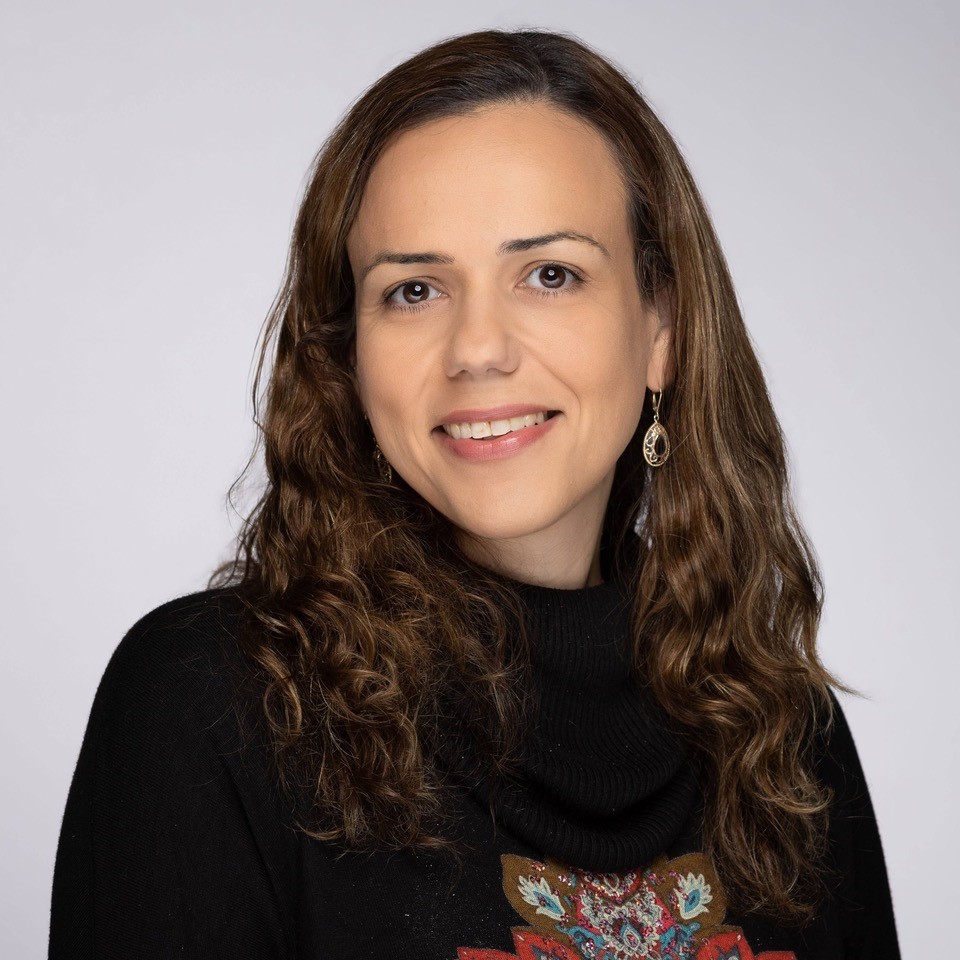
Natalie Zeytuni

McGill University

Project name: Selective Inhibition of Bacterial Surface Structures to Restore Oral Microbiome Symbiosis

This research aims to selectively disarm pathogenic bacteria by targeting their adhesion machinery, shifting or restoring the oral microbiome toward a healthier balance without using traditional antibiotics. Funding gives the team the resources to combine cutting-edge structural biology with AI-guided protein design, accelerating the development of interventions that target harmful bacteria while leaving beneficial microbes intact.
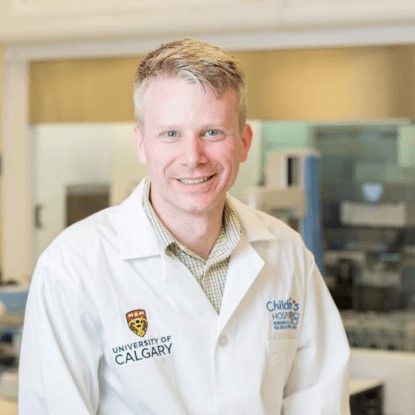
Douglas Mahoney

University of Calgary

Project name: Optimization of a Novel Microbiome-derived Immunotherapy adjuvant Hydroxyphenyl propanoate

This research focuses on creating safe, affordable medicines inspired by helpful gut bacteria to help the body’s immune system fight cancer more effectively. Funding is enabling the crucial late-stage preclinical work needed to move these discoveries out of the lab and toward real-world clinical testing, filling a major funding gap that will allow the team to continue developing a new microbiome-based cancer drug for eventual evaluation in patients.
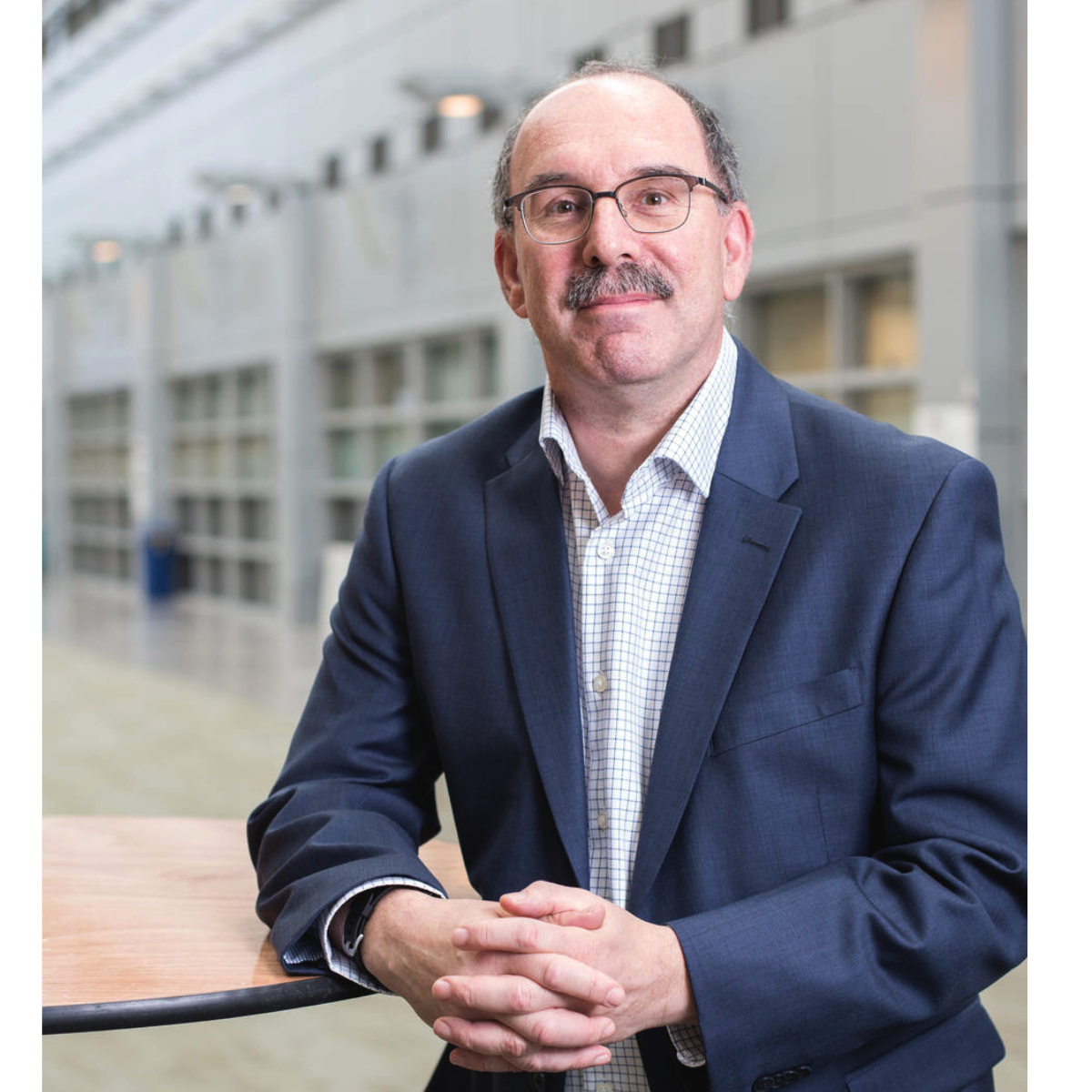
Keith Sharkey

University of Calgary

Project name: Harnessing the Power of the gut Microbiota for Personalized treatment of amyotrophic lateral sclerosis (ALS)

This research takes a comparative look at the gut microbiome in human ALS patients and ALS mice to identify potential therapeutic targets and approaches that can be tested in the clinic. Funding provides the team the opportunity to develop a pipeline for novel therapeutics and build a team that can take results from the bench to the clinic within a 3-year period, offering new hope to the ALS patient community.
Corinne Maurice

McGill University

Project title: Phage-Bacteria Dynamics in Early Life: Shaping Gut Maturation in Health and Obesity

This research explores how viruses that infect bacteria, called bacteriophages, shape the gut microbiome of infants at risk of obesity. By unlocking these natural microbial interactions, the team will develop innovative microbiome-based strategies that promote healthy growth and prevent obesity from the very start of life. This high-impact project is the first step toward turning cutting-edge science into practical tools to support gut health and reduce childhood obesity risk in Canada and beyond.

Sue Tsai

University of Alberta

Project title: Investigating the Impact of Maternal milk on offspring Microbiome and Autoimmunity

This research explores how maternal milk-borne factors influence early-life immune development and gut microbiome composition, with the goal of developing effective preventative strategies using maternal immune modulation and early microbiome interventions to reduce the risk of autoimmune diseases in offspring. Funding will support all aspects of this proof-of-principle study, including patient recruitment, sample collection, data analysis, interpretation.

Stefania Ronzoni

Sinai Health System

Project title: PROMISE-PTB: Phase 1 Feasibility Randomized Trial of Lactobacillus crispatus Supplementation to Modulate the Vaginal Microbiome in Individuals with Prior Spontaneous Preterm Birth

This research targets the vaginal microbiome with Lactobacillus crispatus to create a new, biologically grounded strategy to prevent recurrent spontaneous preterm birth. By testing this microbiome-based approach to reduce inflammation, the funding support is enabling the team to launch this innovative pilot study and build the evidence needed for a future national trial.

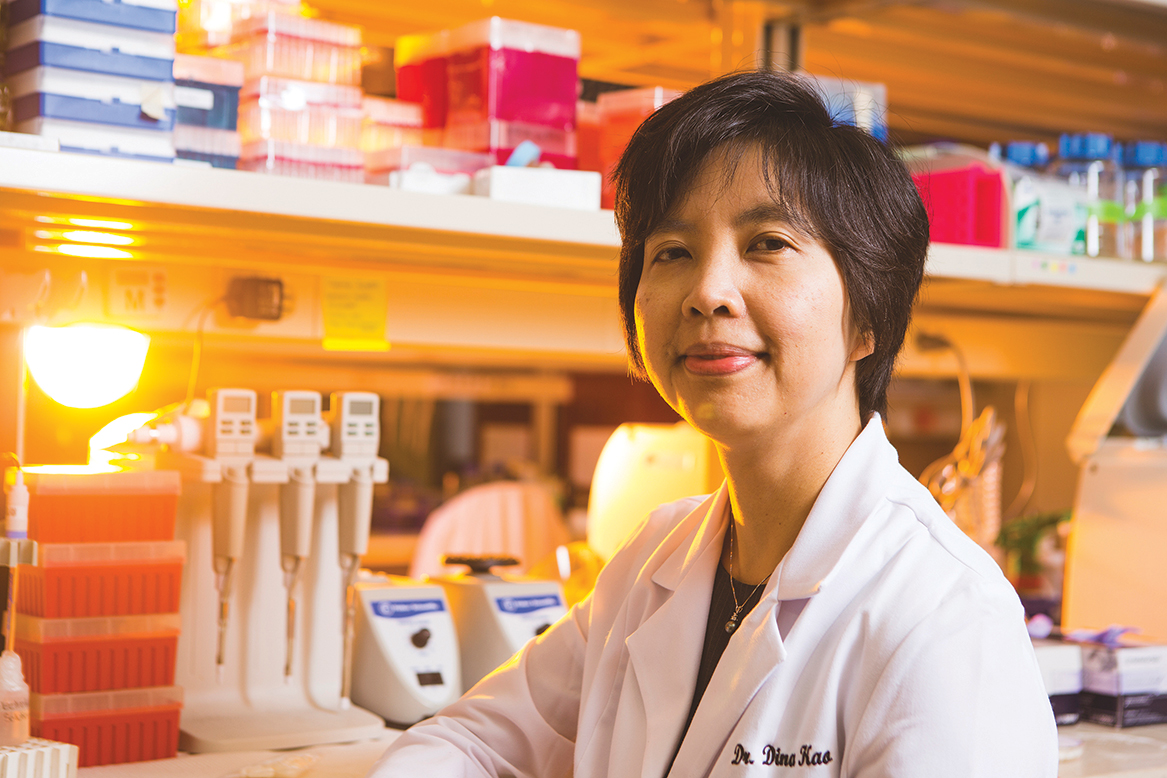
Dina Kao

University of Alberta

Project title: A multi-center, Randomized Controlled trial comparing Fecal Microbiota Transplantation to Placebo in an expanded Ulcerative colitis patient population: a feasibility study (FRONTIER-UC) 

This research explores the possibility that microbiome intervention in the form of fecal transplant, as a combination therapy with advanced agents such as biologics and small molecules, can improve clinical outcomes for patients with ulcerative colitis where current treatment does not address imbalance in gut bacteria. Funding will allow the team to conduct a feasibility study to identify which ulcerative colitis patients are most likely to benefit from this combination approach.
Natasha Haskey

University of British Columbia, Okanagan

Project title: Sulfur on the Breath: Using Breath Biomarkers to Monitor Gut Microbial Sulfur Metabolism During Elemental and Reduced Sulfur Dietary Therapy  

This research uses targeted dietary interventions to shift key microbial pathways linked to inflammation in inflammatory bowel disease, identifying which nutrition strategies truly improve symptoms and gut health. Funding allows the team to generate high-quality microbiome data and test innovative dietary strategies, accelerating the translation of microbiome science into practical, evidence-based tools for patients.
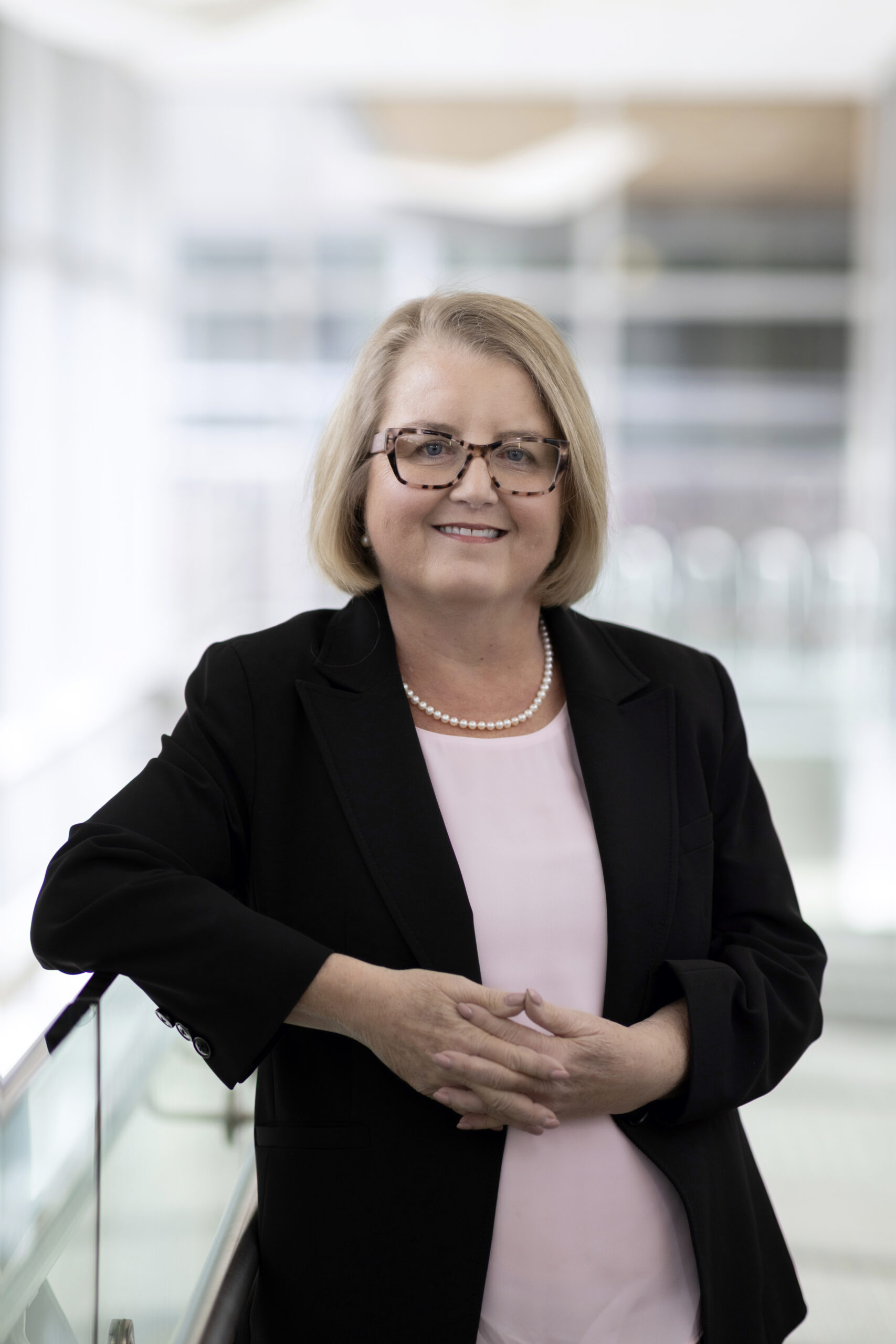
Troy Perry

University of Alberta

Project title: Bacterial Penetration and Aberrations in enteric glial signalling in severe pediatric Crohn’s disease

This research seeks to define the microbial interactions with cells of the enteric nervous system in pediatric Crohn’s disease, with the goal of reversing the inflammatory phenotype of enteric glial cells through manipulation of gut microbes and their metabolites. Funding has provided essential support and valuable study design feedback that will allow the team to interrogate a biobank of Crohn’s tissues as they uncover the role of the enteric nervous system in intestinal inflammation.
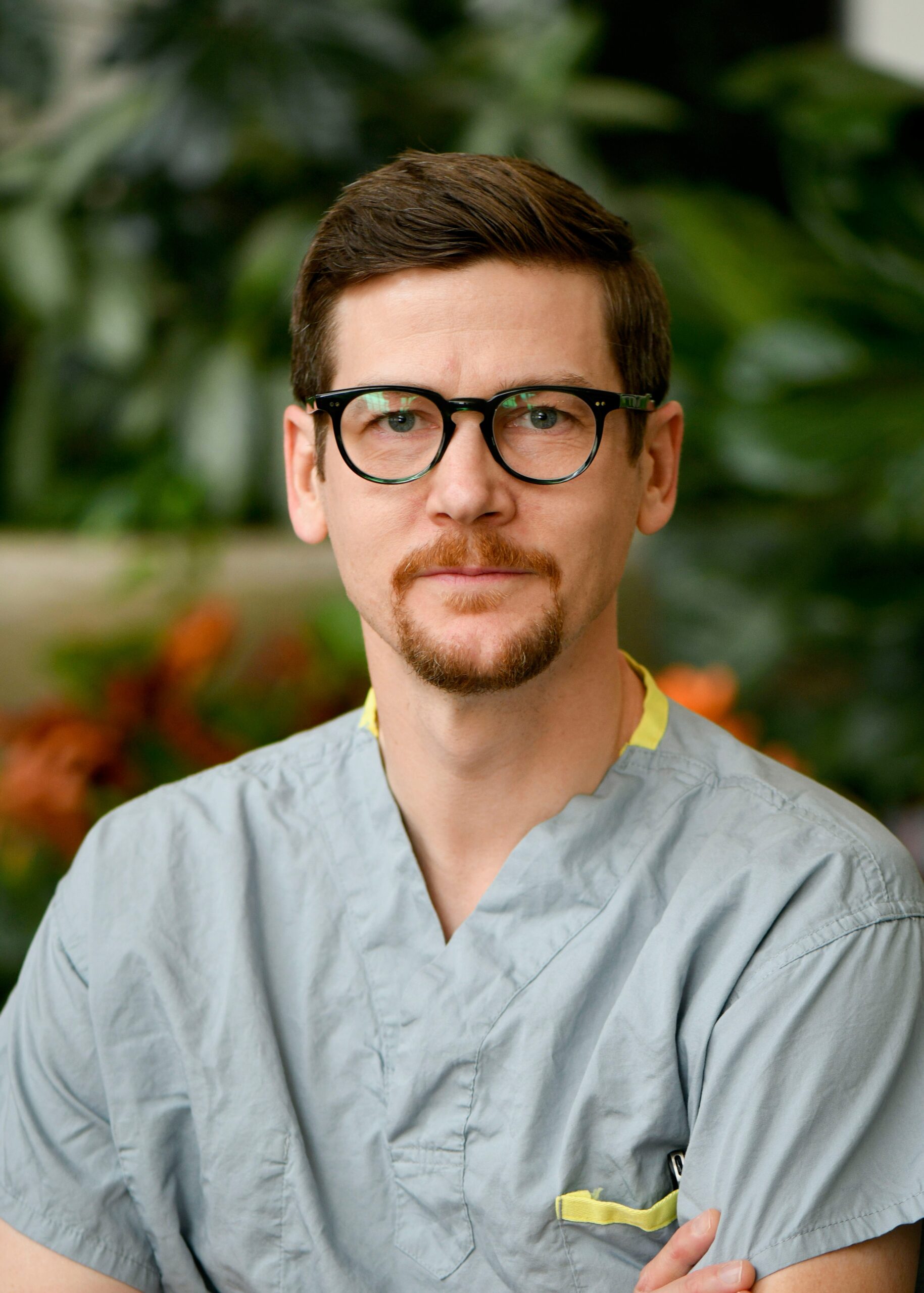
Christophe Altier

University of Calgary

Project Name: From Remission to residual Symptoms: the hidden impact of post-inflammatory dysbiosis in Ulcerative Colitis

This research investigates how gut microbiome changes sustain pain and fatigue in IBD patients after inflammation has resolved. By identifying bacteria and metabolites that activate the ALKAL2 pain pathway in gut nerves, the team aims to develop microbiome-based or molecular treatments to relieve chronic pain. Funding support enables the team to link specific microbial changes to nerve sensitization and test therapies that block this pathway, working toward new non-opioid approaches to managing pain and fatigue in IBD.

Neeraj Narula

McMaster University

Project Name: A Randomized Double-blind Placebo-controlled Trial Assessing the Efficacy of Oral Vancomycin on Ulcerative Colitis Disease Activity in Primary Sclerosing Cholangitis Patients: REVAmP – Pilot Study 

This research targets the microbiome in Primary Sclerosing Cholangitis (PSC)-Ulcerative Colitis (UC) pat ients using a non-absorbable antibiotic that modulates gut dysbiosis, with the aim of generating preliminary efficacy data to support larger trials that could transform clinical guidelines for this high-risk population. Funding enables comprehensive microbiome and metabolomic analyses, supports patient recruitment and safety monitoring, and will facilitate the mechanistic insights needed to advance microbiome-based therapies toward multicenter trials and regulatory approval.

Sally Lawrence

BC Children’s Hospital

Project Name: Therapeutic Efficacy of a food additive-free blended diet as an alternative to standard exclusive enteral nutrition in pediatric Crohn’s disease

This research aims to determine the relationship between microbiota-modulatory effects and clinical outcomes for Crohn’s disease patients following a novel additive-free, plant-based diet called WholeBlends, comparing it to standard nutritional therapy. Funding supports a multi-center randomized controlled trial to explore how WholeBlends modifies microbial community structure, functional capacity, and metabolite production, laying the foundation for precision nutrition strategies in Crohn’s disease.

Jeremy Burton

St. Joseph’s Health Care Foundation of London

Project Name: Improvement of Metabolic Biomarkers of Psychiatric patients through modulation of the Gut microbiota with Apple cider vinegar powder in delayed release capsules

This research addresses the growing burden of metabolic and inflammatory side effects experienced by young adults taking long-term psychiatric and metabolic medications by directly supporting the colon microbiome. Funding enables the team to conduct rigorous clinical testing and build the necessary infrastructure to translate these findings into real-world use, accelerating the path toward an evidence-based tool for improving human metabolic and mental health.

Dennis Cvitkovitch

University of Toronto 

Project Name: Development of a Novel Oral Delivery System to Prevent and Treat Oral Candidiasis through Microbiome Modulation

This research pairs selective, naturally derived antifungal agents with localized oral delivery to develop a thrush therapy designed to protect beneficial oral microbes rather than disrupting them. Funding is enabling the critical work of lead screening, formulation development, and validation in patient-derived polymicrobial biofilm models, as key steps toward a clinical-ready prototype.

Arielle Elkrief

Centre Hospitalier de l’Université de Montréal 

Project Name: Next-generation live Biotherapeutic Products to improve Immunotherapy Efficacy in lung cancer and Melanoma

This research seeks to develop the next generation of microbiome therapeutics, learning from the successes of fecal microbiota transplantation and translating these insights into live biotherapeutic products, a promising and scalable opportunity for microbiome drug development in immuno-oncology. Funding will support culturomics from patients enrolled in clinical trials to detect and characterize live bacteria, selecting top candidates for testing in mouse models to provide foundational science for future drug development.

Jon Stokes

McMaster University

Project Name: Precision Antibiotics for Parkinson’s: AI-driven design of E. Faecalis-selective agents

This research focuses on a specific gut bacterium, Enterococcus faecalis, which interferes with Parkinson’s disease treatment by breaking down the drug levodopa before it reaches the brain. By designing highly selective antibiotics against E. faecalis using leading-edge artificial intelligence, the team aims to restore levodopa effectiveness and pioneer new ways to precisely modulate the human microbiome for better neurological health outcomes. Funding support is bringing together world-leading expertise in machine learning, microbiology, neurobiology, and clinical science across Canada to make this possible.
Vincent Fradet

Université Laval

Project Name: A novel Prebiotic tailored for men Combating Prostate Cancer

This research focuses on developing a new prebiotic designed for men with prostate cancer to improve gut health and help slow disease progression, reducing the need for aggressive treatments and improving quality of life. Funding support allows the team to analyze gut microbiome changes in clinical trial participants, accelerating the path toward a safe and affordable new solution for prostate cancer care.
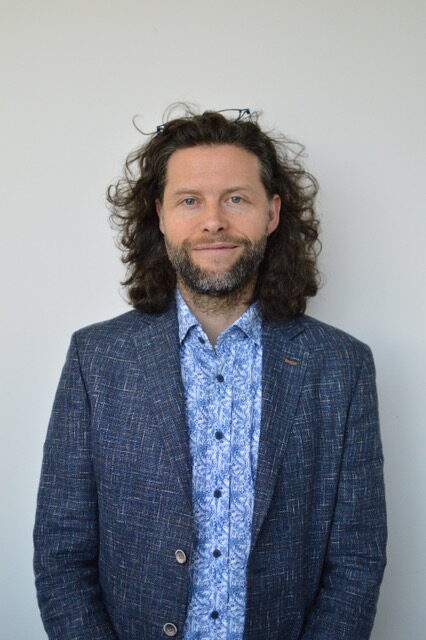
Caroline Seiler

Meet Caroline Seiler (she/her), Program Manager for the Weston Family Microbiome Initiative. Caroline is responsible for managing the flagship Proof-of-Principle (POP) program and general program development for the Microbiome Initiative. She holds a PhD in Medical Sciences from McMaster University and a BSc in Nutritional Sciences from the University of Toronto.

Her doctoral research, conducted through McMaster’s Farncombe Institute, explored the role of gluten, wheat, and the nocebo effect in irritable bowel syndrome (IBS), and was featured as the cover story in The Lancet Gastroenterology & Hepatology in September 2025. She also published high-impact meta-analyses on celiac disease and inflammatory bowel diseases and coordinated a second clinical trial in IBS.

After becoming a McMaster-Janssen Diverse Future Leaders fellow, she interned at Johnson & Johnson to support a new product launch and create scientific communications assets for cutting-edge data in the gastroenterology therapeutic area. She also has extensive leadership experience as previous President for McMaster’s Graduate Students Association, where she spearheaded several initiatives benefiting students.

Outside of work, Caroline enjoys ballroom dancing and taking long road trips across the continent.

Weston Family Foundation investing $20 million to advance health innovation in Canada.

Our newest funding strategy to help scale projects with evident potential to have a real-world impact

Cliquez sur le lien pour le communiqué de presse en français

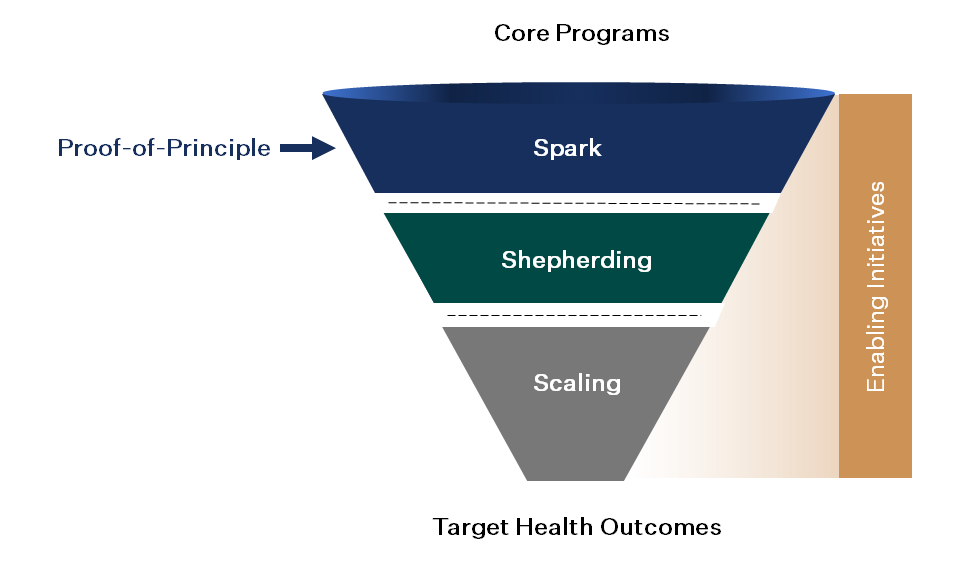
TORONTO, ON – September 23, 2025, Launched in 2025, the Weston Family Foundation is making a $20 million investment to scale cutting-edge Canadian research projects at the forefront of innovation. This approach builds on the Foundation’s “Spark, Sheperd, Scale” funding philosophy — supporting innovative ideas at initial stages, then providing significant funding to accelerate the most promising work into real-world impact.

After a rigorous review process, two projects falling under our Healthy Aging Strategy, comprised of the Weston Brain Institute and Weston Family Microbiome Initiative. Each received $10 million in funding. The following scaling investments align with our mission to catalyze innovation in health research:

  • McGill University – Led by Dr. Pedro Rosa-Neto

Project Title: The Next Generation of Biomarkers

Focus: Advancing the next generation of biomarkers for Alzheimer’s disease to enable earlier diagnosis, precise monitoring, and more effective personalized therapies.

  • University of Alberta and University of Ottawa – Led by Dr. Heather Armstrong, and Dr. Alain Stintzi

Project Title: Microbiome-Based Precision Nutrition for Optimal IBD Health

Focus: Developing microbiome-based nutrition tools to improve outcomes for people living with inflammatory bowel disease (IBD).

These grants represent our commitment to supporting research that extends beyond initial funding. When early results show promise, we aim to move projects through our funding funnel, allowing teams to expand their scope, speed up progress, and increase the chance of delivering solutions that can reach more people, faster.

By supporting bold, high-risk research at scale, the Foundation creates space for Canadian researchers to tackle urgent health challenges, evaluate new paradigms, and improve lives.

For more information, please refer to the link below:

Our 2024 Recap: the Weston Family Foundation’s Year in Review

August 5, 2025 – 2024 marked a year of meaningful progress for the Weston Family Foundation, and we are proud to celebrate the collective achievements made possible through collaboration with our staff, advisors, grantees, and partners across Canada.

Grounded in our mission to champion learning and innovation in support of the well-being of all Canadians, the Foundation continues to serve as a catalyst for change through its focus on healthy aging and healthy ecosystems. In 2024 alone, the Foundation donated more than $66 million across these funding priorities. This impact reflects the dedication and vision of our entire community, and we are deeply grateful to everyone who made it possible.

This year, instead of a traditional year-end letter, we’re excited to share our first-ever Year in Review video. It offers a glimpse into the work the foundation supports—bold ideas brought to life through collaboration, all with a focus on lasting impact.

Our work may appear diverse, but it is all aligned under one vision: the well-being of Canadians, this video highlights just a few examples of the progress made in 2024 and the many incredible organizations and individuals we partnered with along the way.” says Garfield Mitchell Chair, Weston Family Foundation 

As the Foundation continues to evolve its funding strategy, these moments serve not just as milestones, but as powerful reminders of the impact of purpose-driven work—and of the Canadians who make it possible.

Watch the 2024 Year in Review video:

Proof-of-Principle 2025: Microbiome-based interventions

Program Overview

The Weston Family Foundation, through its Proof-of-Principle program, funds Canadian scientists performing high-risk, high-reward translational research that leverages the microbiome towards improving human health.

Microbiome-based interventions, such as fecal microbial transplants, probiotics, prebiotics, and fermented foods, have the potential to improve human health. However, while significant strides have been made in the past decade to better understand the microbiome, there are likely several unknown microbiome-based interventions with significant potential for developing live biotherapeutic products (LBPs), preventative strategies, and personalized medicines. Thus, there may be opportunities to manipulate or target the microbiome to improve health outcomes for Canadians. 

The Foundation is pleased to announce the current iteration of this funding opportunity to address these key areas in microbiome research. The Proof-of-Principle 2025 program supports high-impact, scalable projects that use microbiome-based interventions to modulate the microbiome, enhance therapeutic responses, or improve health outcomes.

Eligible projects will be in one of the three priority areas:

  • Intervention: Developing novel therapeutic microbiome-based interventions for treating disease or improving health outcomes in a population.
  • Modulation: Improving patient responses to already existing treatments or therapies by modulating the microbiome.
  • Mechanism: Causally determining how the microbiome relates to a disease to identify new therapeutic targets.

Please refer to the Program Details for a full description.

Funding available per project: Up to $300,000 over a maximum of 30 months.

Important dates:

  • Program information session: May 1, 2025 and May 6, 2025
  • Letter of Intent deadline: June 2, 2025 at 2 p.m. ET
  • Award announcement: October 2025

For more information about this program, including details on project and applicant eligibility, Foundation definitions, program review criteria and expected project outcomes, please see the relevant documents below.

We welcome you to contact us with any program related inquiries. Please send your questions to microbiome@westonfoundation.ca.

Relevant Documents

Watch the webinar about this grant call:

Marcel van de Wouw

Marcel van de Wouw (he/him) joined the Weston Family Foundation in 2024. He is responsible for the oversight of all programming related to the Microbiome Committee.

Prior to joining the Foundation, Marcel researched the link between the gut microbiome with child development and perinatal mental health as a postdoctoral fellow at the University of Calgary. Previous to this, he worked as a PhD researcher investigating how microbiome-targeted interventions impact the brain and behaviour using preclinical approaches at University College Cork (Ireland).

Marcel has a BSc in Biology and a Ph.D. in Neuroscience.

Proof-of-Principle

The Weston Family Foundation has been supporting research studying the microbiome for seven years. In recent years, there has been a surge of interest and investment in understanding the role of the microbiome in human health and disease, yet we are only beginning to understand the potential implications of the microbiome in healthy aging.

The Proof-of-Principle (POP) is a funding program, through the Weston Family Microbiome Initiative, meant to provide support of Canadian research efforts on the microbiome, focusing on advancing the application of the microbiome in improving human health. With three funding calls (2023, 2024, and 2025) and for each call, total available funding up to 300,000 over 30 months.

The most recent Proof-of-Principle program funding was announced in 2023: The Microbiome & Precision Nutrition. The human body is host to trillions of microbes. Research suggests that these organisms play important roles in health and disease and have a profound bearing on nutrition.

The Proof-of-Principle 2023: Microbiome & Precision Nutrition program aimed to understand how the microbiome influences the impact of diet on human health with a focus on precision nutrition.

Click each link to learn more about the projects that received funding in 2023 ,2024 and 2025.

The Proof-of-Principle 2025 program provided research grants of up to $300,000 over a maximum of 30 months to support high-impact projects that seek to leverage microbiome-based interventions to modulate the microbiome, enhance therapeutic responses, or improve health outcomes.

Follow us on LinkedIn for Proof of Principle 2025 grantee announcement.

Proof-of-Principle 2024: Microbial biomarkers of disease and therapeutic response

Program Overview

The Weston Family Foundation, through its Proof-of-Principle program, funds Canadian scientists performing high-risk, high-reward translational research that leverages the microbiome towards improving human health.

Biomarkers are a critical component of modern healthcare, with diverse applications in disease prevention, detection and monitoring, as well as therapeutic development. They are poised to play an increasingly important role in personalized medicine, providing means to estimate an individual’s disease risk and prognosis, and predict and monitor an individual’s response to a given therapy.

Emerging research suggests that the microbiome is a potentially understudied source for biomarkers that holds significant potential for predicting and understanding individual responses to therapeutic or preventative strategies. Consequently, there may be opportunities to manipulate or target the microbiome to enhance an individual’s response to these strategies. 

The Foundation is pleased to announce the launch of a new funding opportunity to address these key areas in microbiome research. The Proof-of-Principle 2024 program aims to support high-impact projects that seek to identify, validate, or apply microbiome-based biomarkers of disease and therapeutic response.

Eligible projects will:

  • Evaluate compositional or functional microbiome biomarkers.
  • Build on established responder/non-responder phenotypes towards the optimization of therapeutic or preventative strategies.

Please refer to the Program Details for a full description.

Funding available per project: Up to $300,000 over a maximum of 30 months.

Important dates:

  • Program information session:  May 1, 2024 or May 7, 2024
  • Letter of Intent deadline: June 4, 2024
  • Award announcement: October 2024

For more information about this program, including details on project and applicant eligibility, Foundation definitions, program review criteria and expected project outcomes, please see the relevant documents below.

We welcome you to contact us with any program related inquiries. Please send your questions to microbiome@westonfoundation.ca.

Relevant Documents

Proof-of-Principle 2023: The Microbiome and Precision Nutrition

Program Overview

The Weston Family Foundation, through its Proof-of-Principle program, funds Canadian scientists performing high-risk, high-reward translational research that leverages the microbiome towards improving human health.

The human body is host to trillions of microbes. Research suggests that these organisms play important roles in health and disease and have a profound bearing on nutrition. The Foundation is pleased to announce the launch of a new funding opportunity. The Proof-of-Principle 2023 program will support high-impact projects that seek to leverage the microbiome to maximize the health benefits of precision nutrition.

Eligibile projects will:

  • Leverage the microbiome to maximize the benefits of nutrition in people.
  • Evaluate microbiome heterogeneity and how it impacts nutrient metabolism in humans.

Please refer to the Program Details for a full description.

Funding available per project: Up to $300,000 over a maximum of 30 months.

Important dates:

  • Program information session:  June 14, register here or July 5, 2023 register here
  • Letter of Intent deadline: August 1, 2023 apply here
  • Award announcement: November 2023

For more information about this program, including details on project and applicant eligibility, Foundation definitions, program review criteria and expected project outcomes, please see the relevant documents below.

We welcome you to contact us with any program related inquiries. Please send your questions to microbiome@westonfoundation.ca.

Relevant Documents

$8M in funding awarded for crucial brain health research

As part of its commitment to decreasing neurodegenerative diseases of aging and improving the well-being of Canadians, the Weston Family Foundation is pleased to announce nearly $8 million in funding for brain-health research.

In November 2020, the Foundation launched Brain Health: 2021 – Lifestyle Approaches and Microbiome Contributions. The program, jointly run by the Weston Brain Institute and the Weston Family Microbiome Initiative, was designed to support projects examining the impact of lifestyle and the microbiome on the maintenance of optimal brain health, and specifically the prevention or delay of neurodegenerative diseases of aging, such as Alzheimer’s and Parkinson’s diseases. Applications for the program were reviewed by a panel of international experts and four projects were selected to receive funding:

  • Dr. Alex Parker (Université de Montréal) – $1.6M
    • Project description: Conducting a clinical study to assess the benefit of a probiotic in treating amyotrophic lateral sclerosis and frontotemporal dementia.
  • Dr. Manuel Montero Odasso (St. Joseph’s Health Care London/Lawson Research Institute) – $1.5M
    • Project description: Testing whether an at-home, personalized intervention targeting specific lifestyle risk factors for dementia can improve brain health in older adults suffering from mild cognitive impairment.
  • Dr. Simon Bacon (Concordia University) – $1.5M
    • Project description: Examining bariatric surgery patients and how dramatic changes in diet can influence brain structure and function, towards identifying patterns that can improve cognitive health as well as those associated with risk of cognitive decline.
  • Dr. Thien Thanh Dang Vu (Concordia University) – $1.5M
    • Project description: Testing whether an online cognitive-behavioural intervention program can improve the sleep quality and ultimately the cognitive performance of patients with cognitive complaints who are suffering from insomnia.

In addition to the above grants, an additional $1.8 million was awarded to six grantees through the Weston Family Microbiome Initiative Proof-of-Principle program. The awarded projects seek to leverage the microbiome to improve diverse aspects of brain health, including combatting Alzheimer’s, Parkinson’s and Multiple Sclerosis, improving mental health, and supporting cognitive development in early-life.

These grants follow on the footsteps of $12 million in Foundation funding to the Canadian Longitudinal Study on Aging (CLSA) for a new brain-health initiative announced in November 2021.

The Healthy Brains, Healthy Aging Initiative will augment the CLSA platform, and marks the first time a national study of aging in Canada has introduced both brain imaging and microbiome analyses to investigate cognitive aging in the population over time. Read more about the Healthy Brains, Healthy Aging Initiative here.